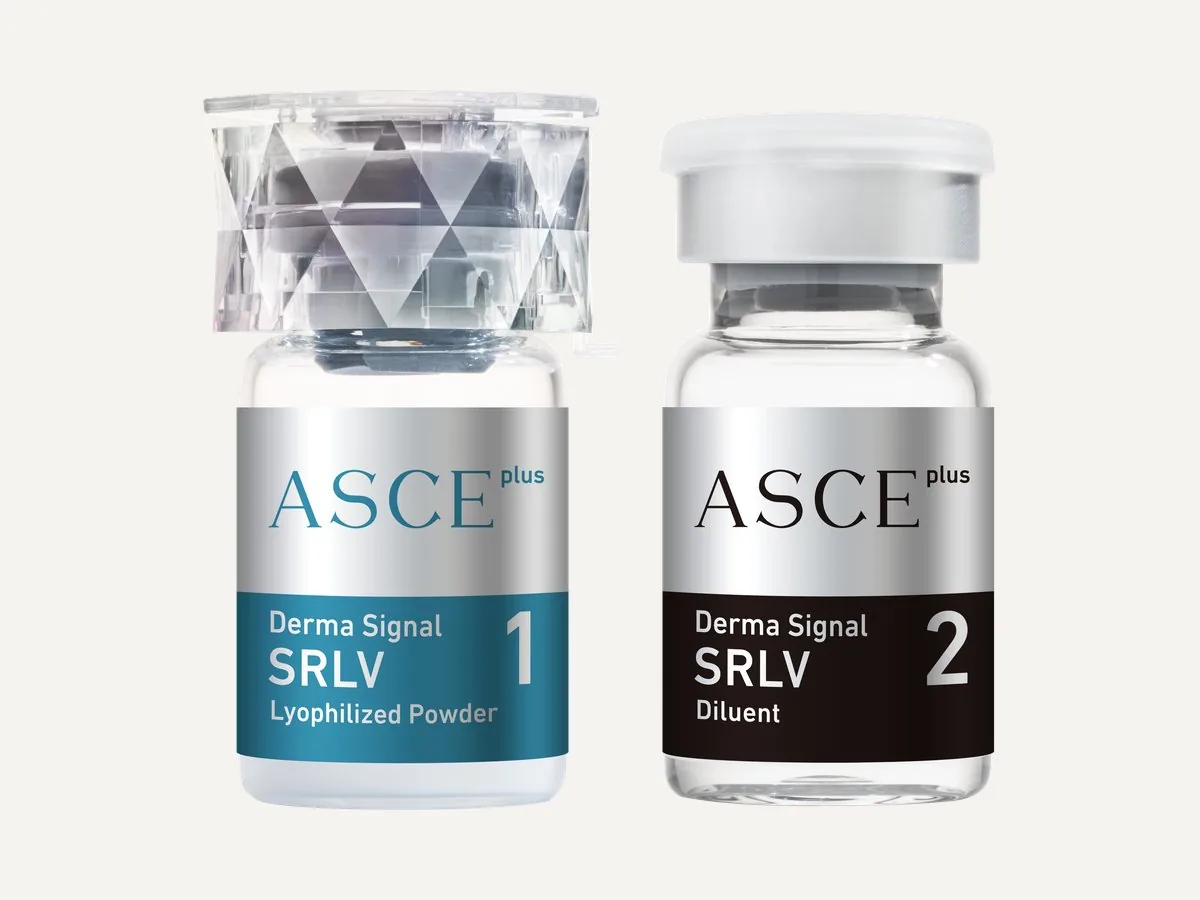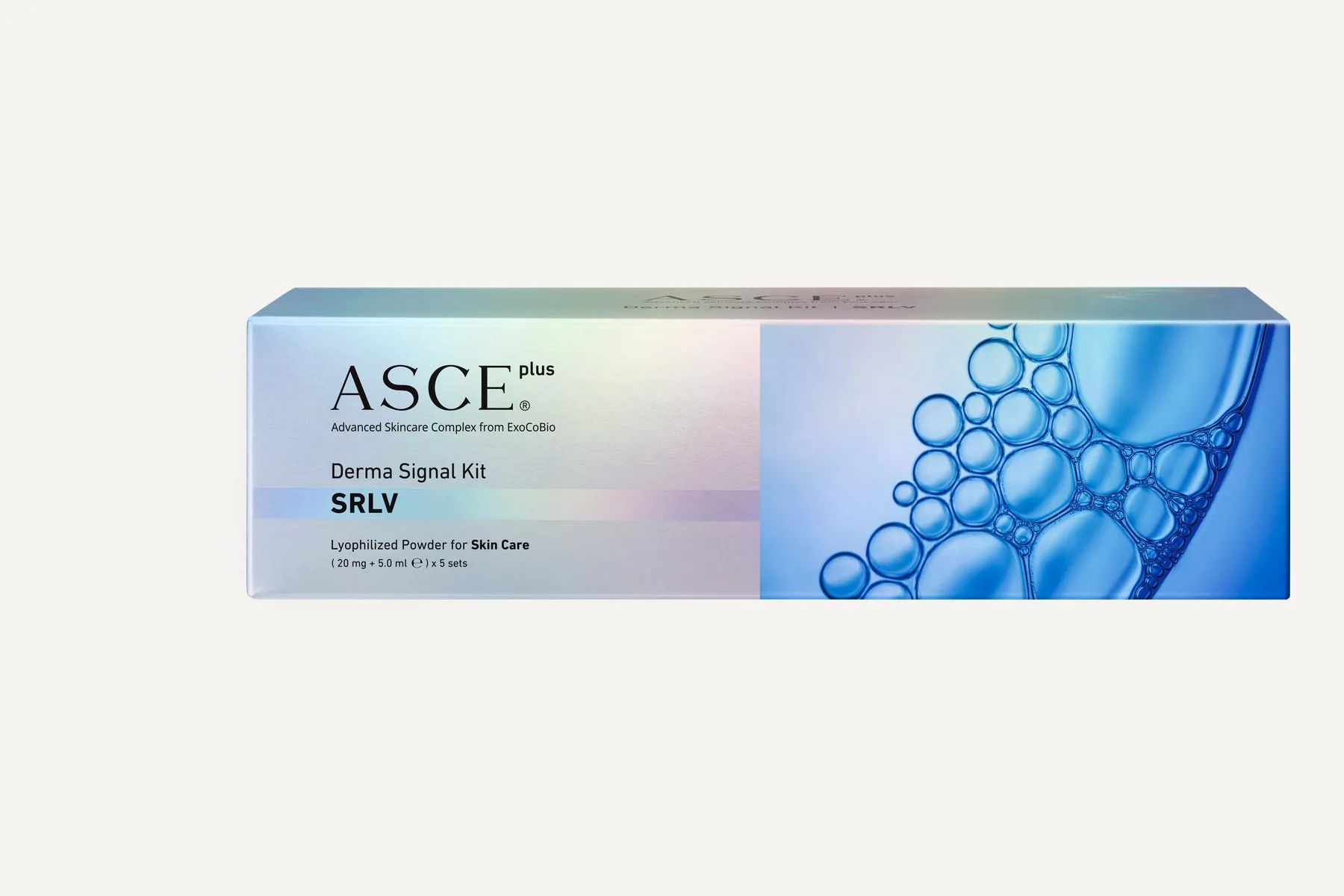
Exosomes are one of the most talked-about skin treatments right now. They are also one of the most confusing. Some people think they are stem cells. Others hear they can be injected like a booster.
This page explains ASCE Exosome skin rejuvenation in Kuala Lumpur in plain terms. It covers what exosomes are and what they are not, what the trials show, who it suits, Klang Valley prices and how it compares with PRP and skin boosters. It also answers the safety and regulatory questions people ask most.
Planning a laser or microneedling session?
To start, this three-minute video from ExoCoBio, the maker of ASCE, shows how its exosomes are separated and purified.
Source video: ExoCoBio Inc. on YouTube
Case study
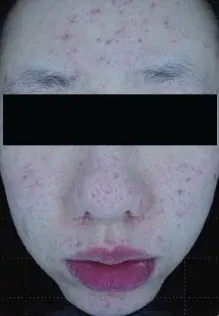
Before
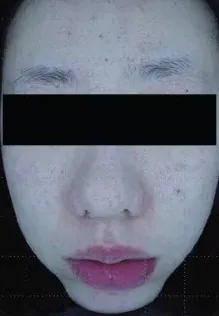
After
Manufacturer case photo (ExoCoBio). Individual results vary.
Quick Answer: ASCE stands for adipose stem cell exosome. Exosomes are tiny vesicles, 30 to 200 nanometres across, that stem cells release to signal nearby cells. ExoCoBio grows stem cells, then separates and purifies these vesicles. The final product contains no living cells, so exosomes are not stem cells.
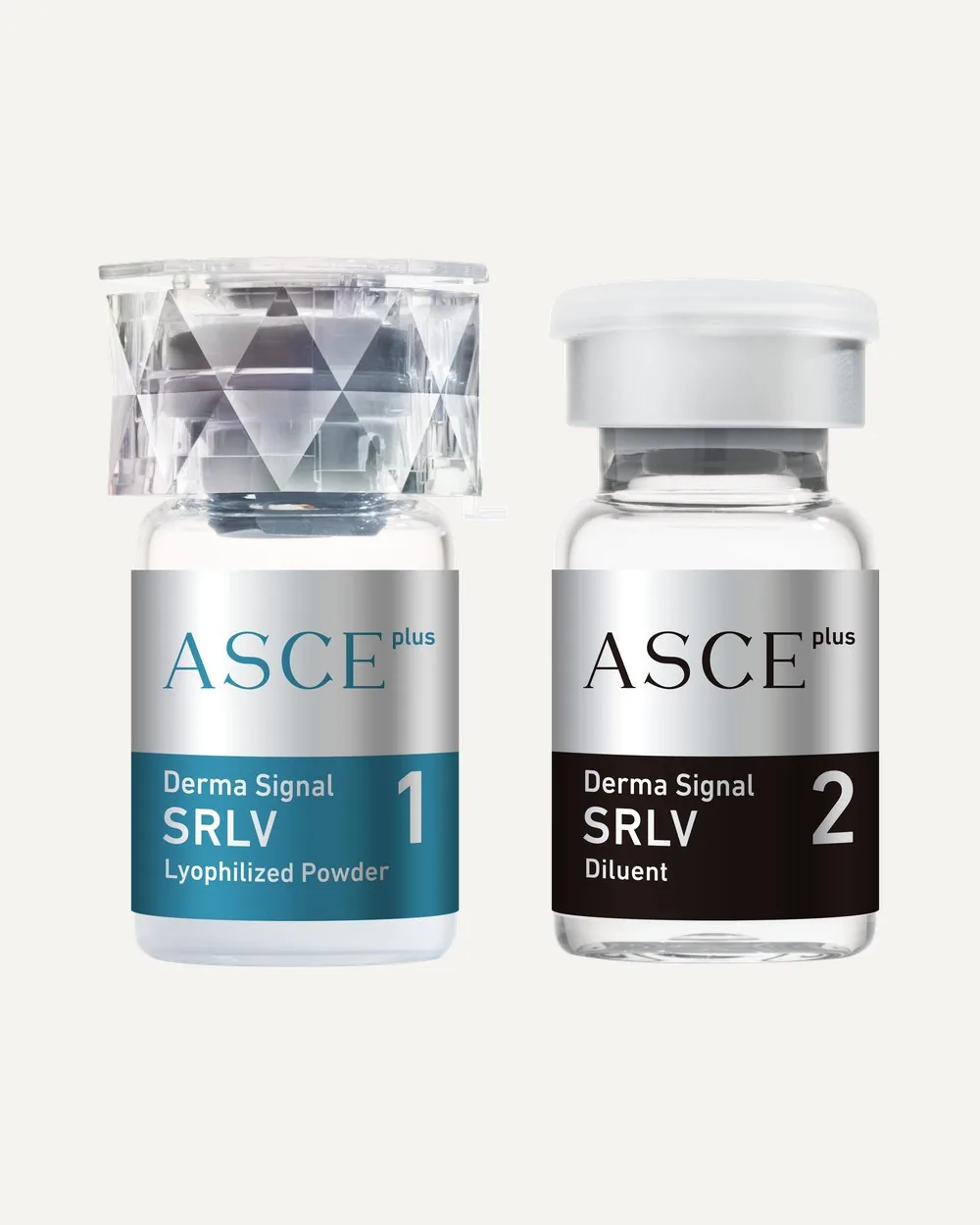
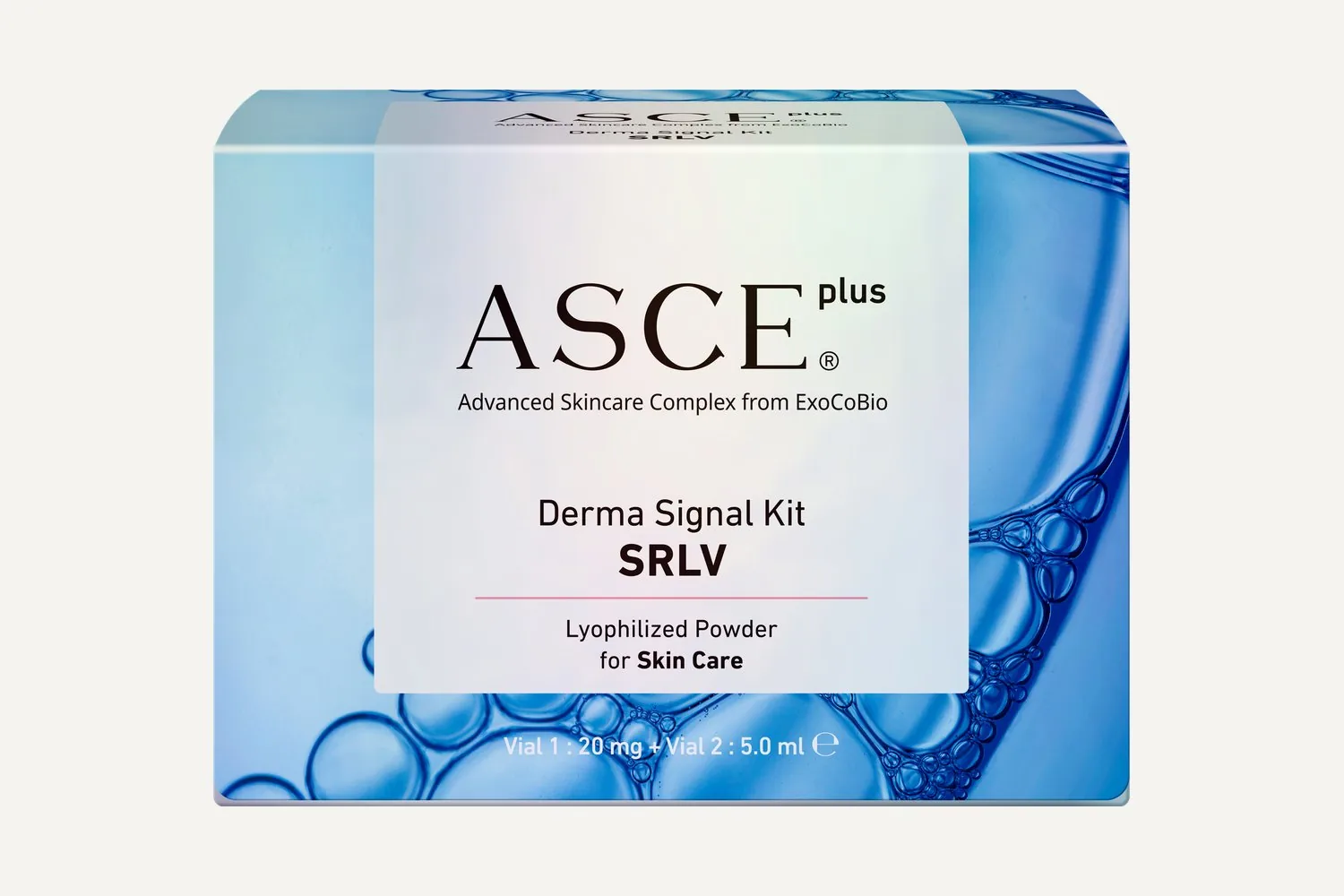
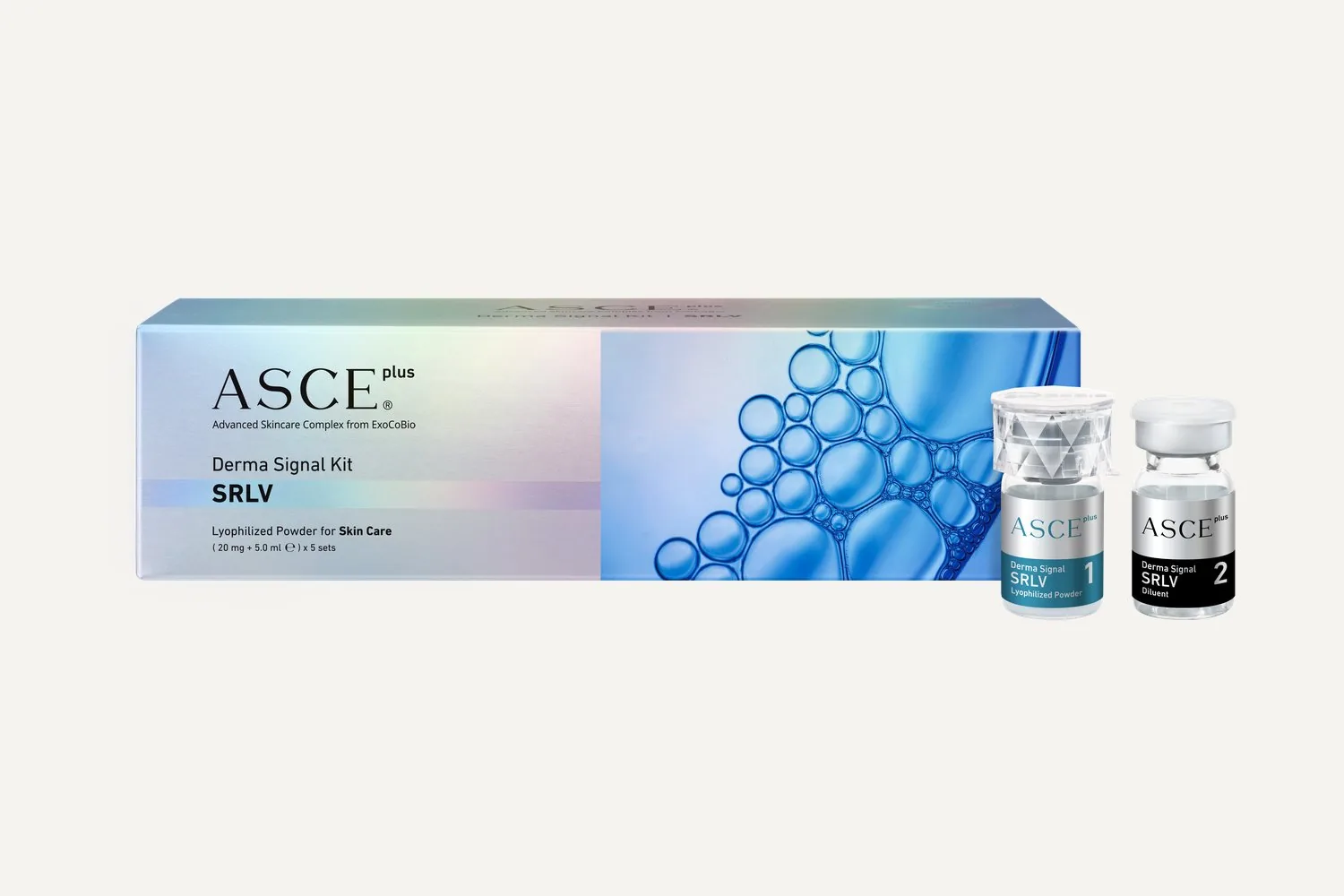
According to ExoCoBio’s technology page, each exosome carries lipids, proteins and small RNA molecules. These are thought to tell skin cells to calm inflammation, rebuild the barrier and make collagen. The maker sells the skin line as ASCE+ SRLV, a freeze-dried powder mixed with a solution just before use.
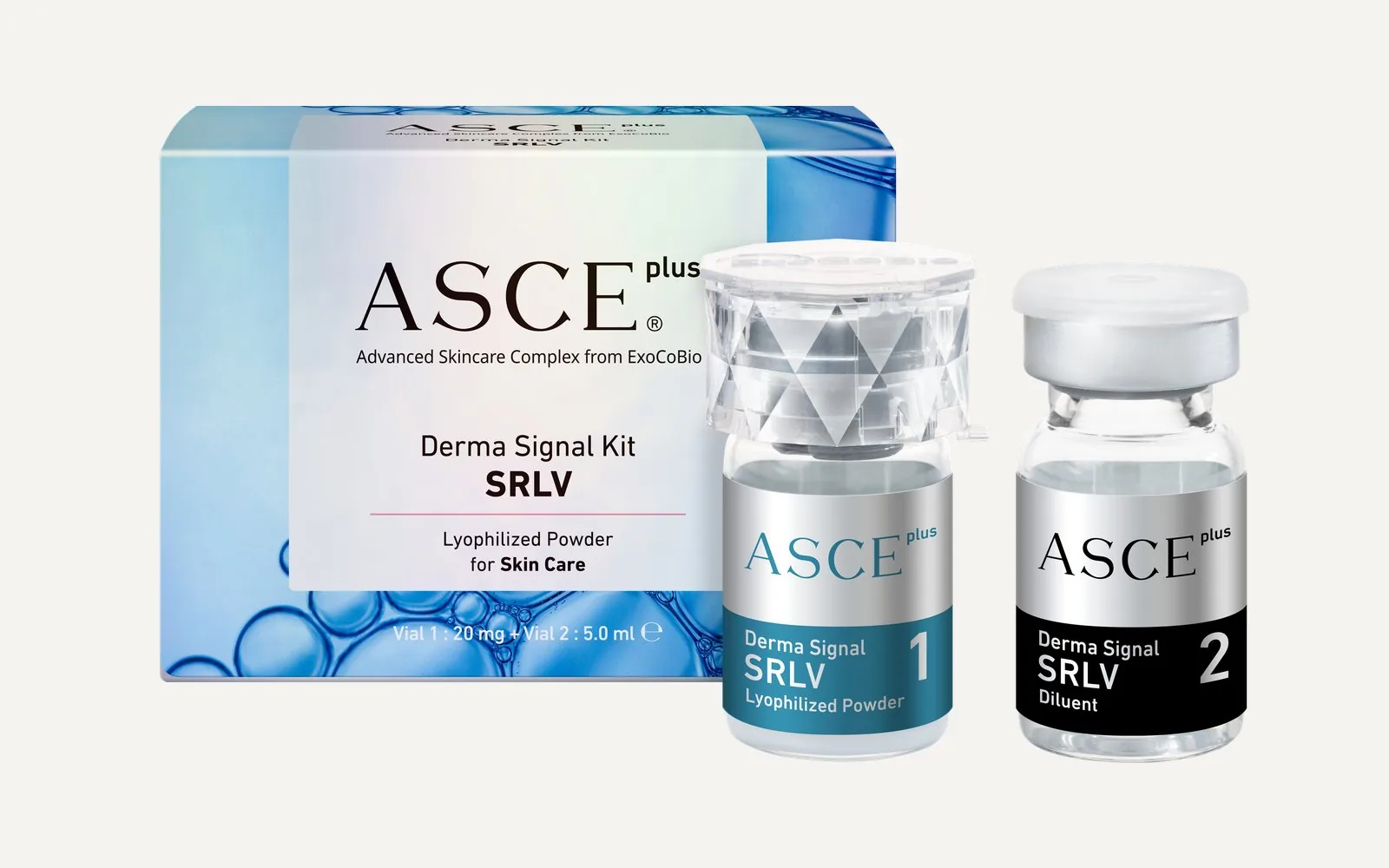
At our aesthetic clinic in Kuala Lumpur, the doctor explains which product is used and how before you agree to anything.
Quick Answer: Early trials are promising but small. In a 25-patient split-face trial, acne scars improved 32.5% on the exosome side after CO2 laser, against 19.9% on the control side, with milder redness. Other split-face trials found gains in hydration, elasticity and wrinkles. Long-term data is still limited.
| Concern and method | Patients | Main finding (bars = scar-score reduction) | Source |
|---|---|---|---|
| Acne scars after fractional CO2 laser (split-face, double-blind) | 25 | Exosome side: 32.5%Control side: 19.9% | Kwon et al., 2020 |
| Facial ageing with microneedling (split-face vs saline) | 28 | Higher improvement scores on the exosome side, with better wrinkles, elasticity, hydration and pigment on skin measurements. | Park et al., 2023 |
| Ageing skin barrier with ultrasound delivery (split-face vs saline) | 16 | Less water loss and more hydration and elasticity on the exosome side. Funded by the maker, ExoCoBio. | Choi et al., 2026 |
| Sun-damaged skin: exosomes vs PRP with RF microneedling | Split-face | Both sides improved by a similar amount; no clear winner. | Estupiñan et al., 2025 |
Sources: PubMed abstracts, 2020–2026. All four applied exosomes to the skin after a device, not by injection. Small trials with short follow-up; signs of benefit, not proof for every skin.
A 2026 systematic review of 21 papers found exosome treatments improved elasticity, wrinkles and hydration, but asked for larger, longer trials. A scoping review of 17 clinical studies noted small samples and possible conflicts of interest.
Quick Answer: ASCE Exosome usually suits adults with sensitive or reactive skin, redness, a weak skin barrier, acne scars or dull, tired skin, especially when they are already having laser or microneedling. It is a poor fit for active skin infection, pregnancy or breastfeeding, or anyone wanting quick volume or lifting.
Quick Answer: ASCE Exosome skin rejuvenation in Kuala Lumpur typically starts from about RM 600 per session in the Klang Valley. A three-session course starts from about RM 1,800. When it is added after laser or microneedling, the device is priced separately, so the total depends on the full plan.
| Treatment plan | Typical market range | Note |
|---|---|---|
| ASCE Exosome, one session | From about RM 600 | Applied after a device, or on its own |
| ASCE Exosome, course of three | From about RM 1,800 | Illustrative: three sessions at the starting price |
| For context: PICO laser, one session | RM 500 – 1,700 | Exosome is often added after laser |
| For context: Rejuran, one session | RM 1,200 – 2,500 | PN skin booster, injected |
| For context: Profhilo, one session | RM 2,000 – 4,500 | HA skin booster, injected |
Market ranges compiled from publicly listed Klang Valley clinic prices, 2025–2026. The three-session row is an illustrative scenario. Not BeauLife’s price list; your exact quote is given after the consultation.
These are market ranges, not BeauLife’s price list. Before comparing prices, ask:
Not sure whether exosome or a skin booster suits your skin?
Quick Answer: A session usually takes 30 to 60 minutes, longer if it follows a laser or microneedling treatment. The doctor mixes the freeze-dried exosome with its solution and applies it to freshly treated skin, then lets it absorb. Most people return to normal activities the same day.
The process is quick because no blood is drawn. That is one reason some people choose it over PRP. Comfort depends mostly on the device; exosome alone feels like a cool serum.
Quick Answer: Many people notice calmer, more hydrated skin within a few days. Trials used three sessions two to three weeks apart and judged scars, texture and fine lines six to twelve weeks after starting. Downtime mostly follows the paired device; in one CO2 laser trial, the exosome side recovered faster.
| Time after session | What usually happens |
|---|---|
| Day 0 | Exosome is applied right after laser or microneedling, or on its own. Skin may feel warm and look pink. |
| Days 1–3 | Redness and flaking from the device settle. In the CO2 laser trial, redness was milder on the exosome side. |
| Week 2–3 | Skin feels calmer and more hydrated. The next session usually falls here. |
| Weeks 6–12 | Changes in texture, scars and fine lines are judged. Trials measured results at about this point. |
| Month 3 onward | Results depend on the device and skin care. Maintenance is planned with the doctor, not by default. |
Sources: Kwon 2020, Park 2023 and Choi 2026 trial schedules. Typical ranges, not promises; results vary.
Results depend on age, sun, skin care and the device used. Daily SPF protects the gain. Judge the result a few weeks after the last session.
Quick Answer: Choose by the main problem. ASCE Exosome is mostly a recovery and calming step after a device. PRP uses your own blood and needs a blood draw. Skin boosters are injected to repair or hydrate the skin from within. In one split-face trial, exosomes and PRP improved sun-damaged skin by a similar amount.
| Feature | ASCE Exosome | PRP | Skin boosters (e.g. Rejuran, Profhilo) |
|---|---|---|---|
| What it is | Cell-free vesicles purified from stem cell culture | Concentrated platelets from your own blood | PN (salmon DNA) or HA gel |
| How it is given | Usually on the skin after laser or microneedling | Injected, or on the skin after microneedling | Injected into the skin |
| Main job | Calming, barrier repair, faster recovery | Texture, fine lines, recovery | Repair (PN) or hydration (HA) |
| Blood draw needed | No | Yes | No |
| Evidence | Small split-face trials; long-term data limited | Many studies, mixed quality | More trials, varies by brand |
| Typical Klang Valley market range | From about RM 600 per session | Quoted after assessment | About RM 1,100 – 4,500 by brand |
Sources: PubMed trials and reviews, 2020–2026, and listed Klang Valley prices, 2025–2026. Market ranges, not BeauLife’s price list.
Read more on Plenhyage skin booster treatment, the RE2O Korea skin booster and Profhilo for hydration. For collagen-stimulating injections, see Juvelook.
Quick Answer: ASCE Exosome is most often paired with treatments that open tiny channels in the skin, such as fractional laser, microneedling and RF microneedling. It is applied straight after, while the channels are open. The doctor picks the device for your concern, and the exosome supports recovery.
Some plans space a booster and a device session a few weeks apart. Ask the doctor why each step is in your plan, and what happens if you skip the exosome.
Quick Answer: Exosomes used on the skin after a device have shown few side effects in trials. The bigger concerns are injection and regulation. The US FDA has approved no exosome product and has warned about serious reactions to unapproved ones. Ask how any product is registered or notified in Malaysia before treatment.
Rules differ by country. The FDA says there are no FDA-approved exosome products. In July 2026, Qatar’s health ministry allowed exosome products for topical use only and banned injection. A 2026 review of global rules found no shared definition yet.
In Malaysia, cosmetics are notified to the National Pharmaceutical Regulatory Agency (NPRA) and medical devices are registered with the Medical Device Authority. Ask the clinic which applies to the product used, and avoid exosome injections sold outside a medical setting.
Want to know if ASCE Exosome suits your skin?
Quick Answer: BeauLife provides ASCE Exosome skin rejuvenation in Kuala Lumpur at an MOH-registered clinic (KKLIU 1970/2019) operating since 2017, with LCP-certified doctors. The doctor explains how the product is used, the evidence and the risks, and gives the full price before treatment, at any of five Klang Valley branches.

Branch addresses and maps are on our contact and branch locations page. You can also read more about BeauLife’s doctors and approach.

ASCE Exosome makes sense if your skin is sensitive, red or recovering from laser or microneedling, and you want calmer skin and faster recovery. It is cell-free, typically starts from about RM 600 per session and is mainly used as part of a device course. The evidence is promising but early, so choose a doctor who explains how it is used, how it is regulated and the full plan price first.
ASCE Exosome typically starts from about RM 600 per session in the Klang Valley. When it is added after a laser or microneedling session, the device is priced separately. Your exact quote is given after the consultation.
No. Exosomes are tiny cell-free vesicles that stem cells release. The product contains no living cells, so it cannot grow or turn into tissue.
Trials used three sessions, two to three weeks apart. The doctor sets the number based on your skin and the device it is paired with.
Exosome on its own has little downtime. Any redness or flaking usually comes from the laser or microneedling it is paired with.
No exosome product is approved by the US FDA. Ask the clinic how the product is registered or notified in Malaysia before treatment.
Book your ASCE Exosome consultation
A BeauLife doctor will assess your skin, explain whether exosome suits you and its risks, and give you a clear plan and price before anything starts.