
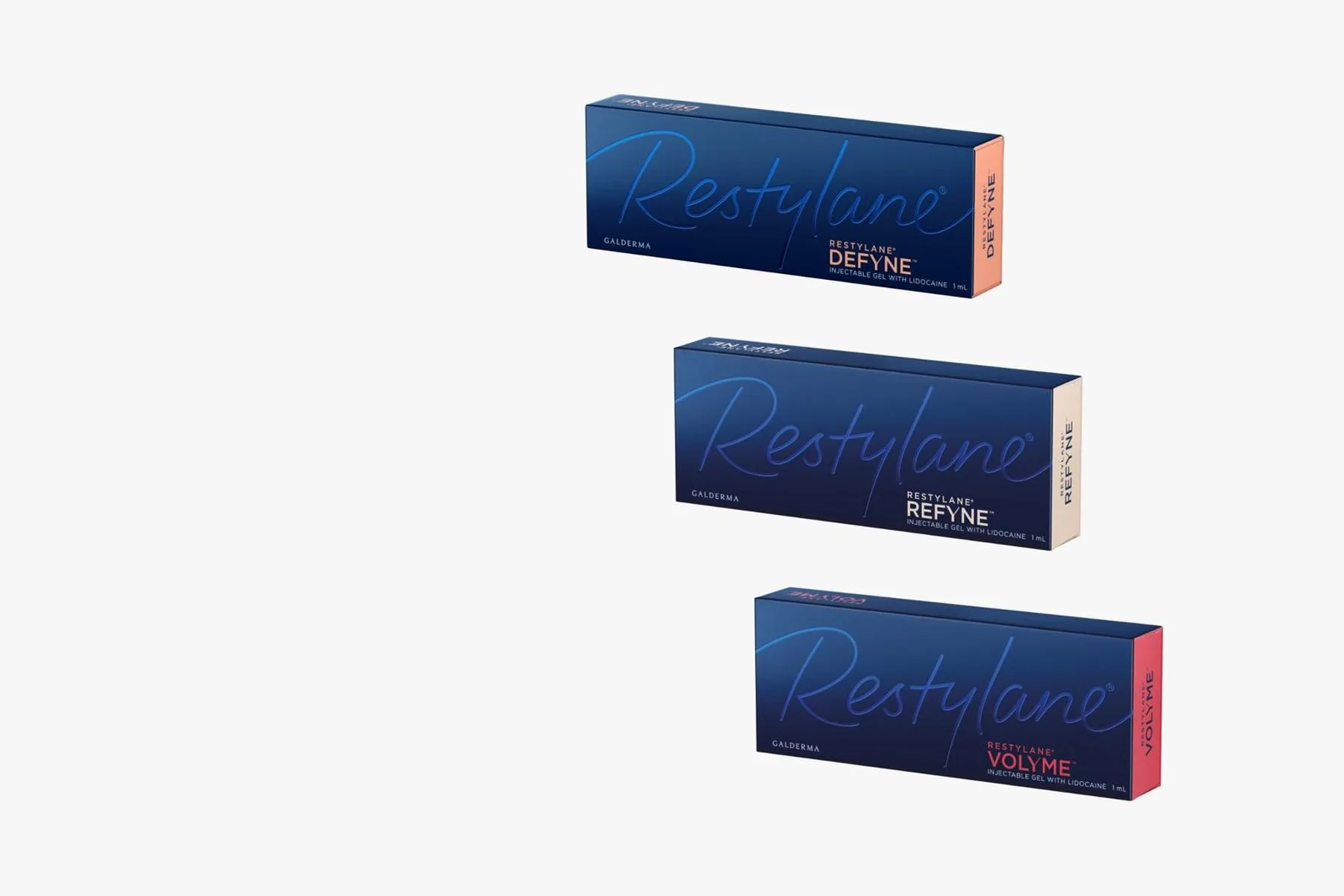
Restylane is not one filler but a range. Each gel has a different firmness, so the product used for a flat cheek is not the one used for soft lips. Choosing well is half the result.
This page explains Restylane dermal filler treatment in Kuala Lumpur as a whole: the gel types, which product goes where, the research, the cost and how to stay safe with any filler.
Fillers are a medical procedure. Check who is injecting first.
To start, this short clip from Galderma, the maker of Restylane, covers who can have fillers and what a doctor checks first.
Source video: Galderma (official channel) on YouTube


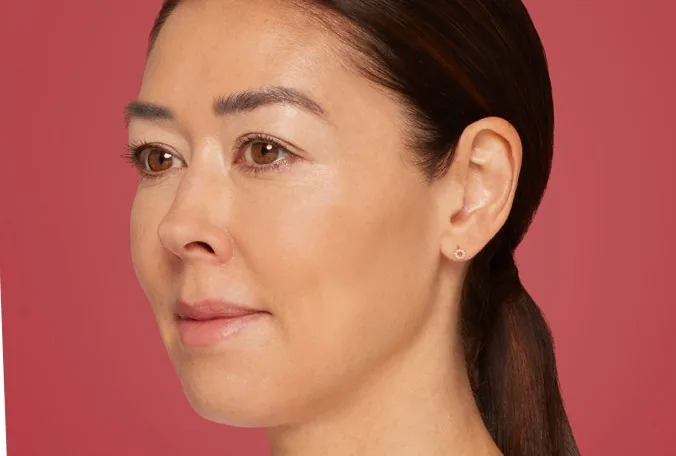

Gina was treated with 0.5 mL Restylane Lyft in each cheek and 1 mL in each nasolabial fold. Four weeks after treatment.
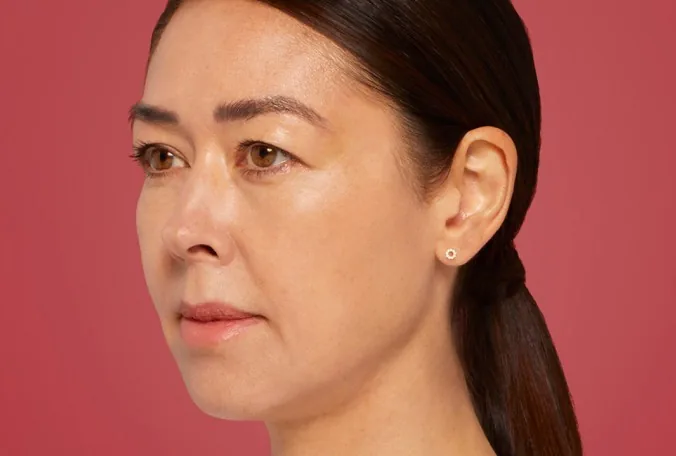
Jasmine was treated with 2 mL of Restylane Contour in the cheeks. Two weeks after treatment.
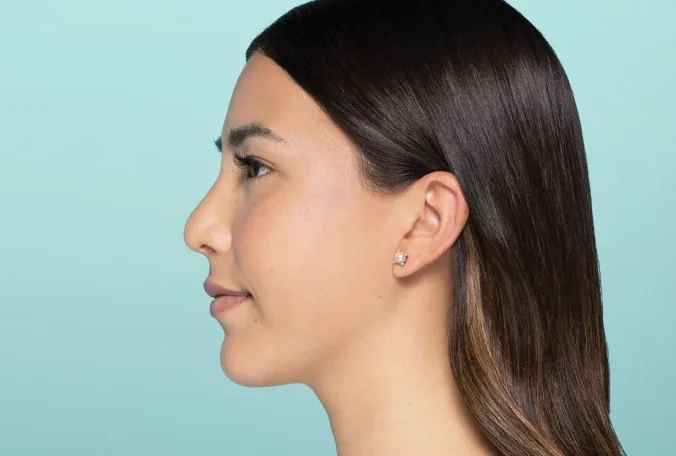
Amanda was treated with 3 mL of Restylane Defyne in the chin. One week after treatment.
Clinical photos published by the brand, not BeauLife Clinic patients. Individual results vary.
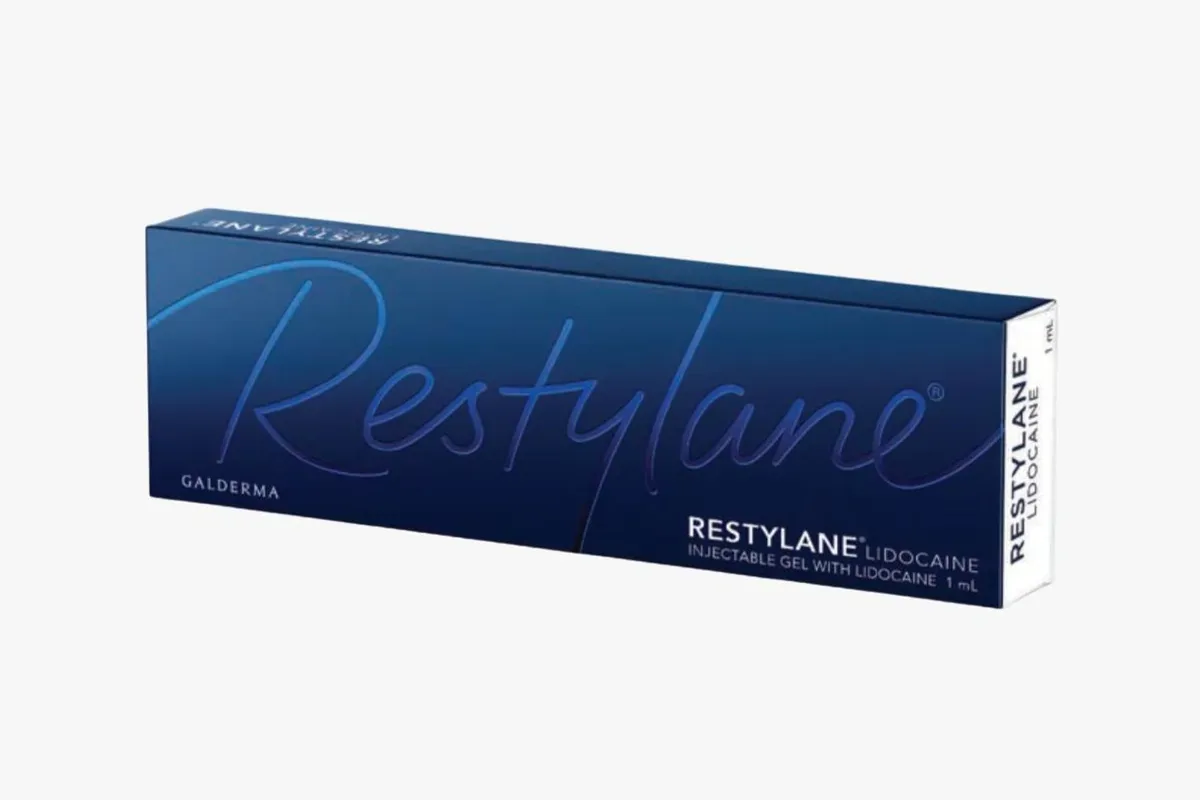
Quick Answer: Restylane is a range of hyaluronic acid (HA) dermal fillers made by Galderma. HA is a sugar the skin makes naturally to hold water. Injected as a gel, it restores volume, shapes features and softens folds. Restylane was the first non-animal stabilised HA filler, and results are temporary and reversible.
Per Galderma’s product science page, the range is built on two main gel technologies:
This page is the overview. For lips only, read about Restylane Kysse lip filler. For cheeks and midface, see Restylane Lyft face filler treatment. For a dewy, hydrated skin finish rather than volume, see Restylane skin booster treatment. All are part of the treatments offered by our aesthetic clinic in Kuala Lumpur.
Quick Answer: Each Restylane gel has a different firmness. In laboratory tests, Restylane Lyft was the firmest (799 Pa) and Refyne the softest (70 Pa), per Öhrlund et al. (2024). Firm gels suit cheeks and chin; soft, flexible gels suit lips and smile lines. A full-face plan often uses two or three products.
| Product | Gel technology | Firmness, G′ at 0.1 Hz (longer bar = firmer) | Typical areas |
|---|---|---|---|
| Restylane Lyft | NASHA | 799 Pa | Cheeks, midface, back of hands |
| Restylane (original) | NASHA | 701 Pa | Folds, lips, defined shaping |
| Restylane Silk | NASHA | 416 Pa | Fine lines around the lips |
| Restylane Defyne | OBT | 271 Pa | Chin, jawline, deep folds |
| Restylane Volyme | OBT | 171 Pa | Cheek volume, midface contour |
| Restylane Kysse | OBT | 160 Pa | Lips, lines above the lip |
| Restylane Refyne | OBT | 70 Pa | Smile lines, moderate folds |
Source: Öhrlund et al., J Drugs Dermatol 2024;23(1):1332-6 (laboratory rheology, authors employed by the manufacturer), via PubMed; areas from Galderma Aesthetics product information. Lab firmness guides product choice but does not predict your result on its own.
A firm gel placed on bone lifts the tissue above it; a soft gel in the lips must bend when you talk, or it looks stiff. So a good plan names which gel goes where. Where a gradual change is preferred, a collagen stimulator such as Sculptra or Radiesse dermal filler may be discussed instead.
Quick Answer: Yes, for the uses it was studied for. In a midface study of Restylane Lyft, 85% of patients were still improved at one year, per Weiss et al. (2016). Studies of Volyme in the cheeks and Defyne in the chin, including trials in Chinese adults, also show clear results that fade gradually over 12 months.
| Product, area and time point | Share of patients improved | Study |
|---|---|---|
| Restylane Lyft, midface: still improved at month 12 (treating doctor) | 85% | Weiss et al., 2016 |
| Restylane Volyme, midface: responders at month 6 (Chinese adults) | 76% vs 8% untreated | Ren et al., 2024 |
| Restylane Volyme, midface: responders at month 12 | 51% | Ren et al., 2024 |
| Restylane Defyne, chin: responders at week 48 | 74% vs 11% untreated | Marcus et al., 2022 |
| Restylane Defyne, chin: responders at month 12 (Chinese adults) | 61% | Xie et al., 2024 |
| Restylane Defyne, smile lines: responders at month 6 (Chinese adults) | 72.9% | Xie et al., 2022 |
Source: Dermatol Surg 2016;42(6):699-709; J Cosmet Dermatol 2024;23(6):1985-91; Plast Reconstr Surg 2022;150(6):1240e-8e; Aesthetic Plast Surg 2024;48(5):1030-6; J Cosmet Dermatol 2022;21(10):4288-93, via PubMed. Most were funded by the manufacturer. “Responder” means at least one grade better on the study’s rating scale, judged by a blinded evaluator unless stated.
Several trials were run in Chinese adults, so the evidence is not only from Western faces. Results do fade: in the Volyme study, responders fell from 76% at six months to 51% at twelve. Most were maker-funded, so treat them as strong but not independent evidence.
Quick Answer: Restylane usually suits healthy adults with mild to moderate volume loss or shape concerns who want a natural change without surgery. Typical concerns are thin lips, flat cheeks, a short chin, a soft jawline or deepening smile lines. It does not tighten loose skin, and some people should wait or avoid fillers altogether.

Restylane is often a reasonable fit if you have:
Per Galderma’s safety information, Restylane is not for anyone under 18 or pregnant or breastfeeding. It is also unsuitable with a bleeding disorder, an allergy to HA or a product component, or active skin infection near the area. If your concern is under-eye bags rather than hollows, Jalupro Young Eye treatment may be discussed. If it is skin laxity, Thermage FLX skin tightening may suit you better.
Quick Answer: Restylane dermal filler treatment in Kuala Lumpur is priced per syringe. In the Klang Valley, Restylane typically costs about RM 1,200–3,500 per 1 ml syringe, depending on the product. Lips or under-eye hollows usually need one syringe; cheeks or jawline often need two to four, so the total depends on the areas treated.
| Area | Usual product | Typical 1 ml syringes | Market range |
|---|---|---|---|
| Lips | Kysse | 1 | RM 1,200 – 3,500 |
| Under-eye hollows | Soft NASHA gel, by doctor’s choice | 1 | RM 1,200 – 3,500 |
| Smile lines | Refyne or Defyne | 1–2 | RM 1,200 – 7,000 |
| Chin | Defyne or Lyft | 1–2 | RM 1,200 – 7,000 |
| Cheeks / midface | Lyft or Volyme | 2–4 | RM 2,400 – 14,000 |
| Jawline | Defyne or Lyft | 2–4 | RM 2,400 – 14,000 |
Illustrative scenario: syringe counts multiplied by a market range of about RM 1,200–3,500 per 1 ml syringe, from publicly listed Klang Valley clinic prices, 2025–2026. Not BeauLife’s price list; your doctor confirms the product and amount after assessment.
These are market ranges, not BeauLife’s price list. When comparing quotes, ask:
Want to know how many syringes your plan needs?
Quick Answer: A Restylane session usually takes 30 to 60 minutes. After an assessment and numbing, the doctor injects small amounts with a fine needle or blunt cannula, checking balance as they go, then gives aftercare advice. Results show straight away, settle over about two weeks, and most people return to normal activities the next day.

Swelling can make the area look fuller for several days, especially the lips, so plan treatment well before a big event.
Quick Answer: Restylane and Juvederm are both established hyaluronic acid filler families. Restylane offers firm NASHA gels and flexible OBT gels; Juvederm uses Vycross gels. Juvederm products are often reported to last longer in some areas, while Restylane spans a wider price range. Neither suits every face or area.
| Feature | Restylane | Juvederm |
|---|---|---|
| Maker | Galderma (Sweden) | Allergan Aesthetics |
| Gel technologies | NASHA (firm, for lift) and OBT (flexible, for movement) | Vycross and Hylacross |
| Lip product | Kysse, reported to last up to 1 year | Volbella, reported to last up to 1 year |
| Cheek product | Lyft or Volyme | Voluma |
| Reported duration | About 6–18 months by product and area | About 12–24 months by product and area |
| Reversible with hyaluronidase? | Yes | Yes |
| Typical Klang Valley market range | RM 1,200 – 3,500 per 1 ml syringe | RM 2,500 – 3,500 per Voluma syringe |
Source: manufacturer information (Galderma Aesthetics, Allergan Aesthetics), published studies via PubMed, and publicly listed Klang Valley clinic prices, 2025–2026. Market ranges, not BeauLife’s price list. Duration varies with the area, amount used and the person.
In a 280-person lip trial, Juvederm Volbella was non-inferior to Restylane-L at three months, with less early swelling; that trial was funded by Juvederm’s maker. Restylane Kysse, approved in the US in 2020, is reported to last up to one year in the lips.
Quick Answer: Restylane is generally well tolerated when a trained doctor injects a genuine product. Common side effects are redness, swelling, bruising and tenderness that settle within days. Rarely, filler can block a blood vessel, which is serious. Because Restylane is hyaluronic acid, a doctor can dissolve it with hyaluronidase, which the clinic must keep on hand.
Per Galderma, reactions usually settle within a few days for skin areas and within about a week for lips. A 2023 review of HA filler trials found swelling, pain, redness and bruising were the most common effects. Know the difference between:
The US Food and Drug Administration warns that filler injected into a blood vessel can cause tissue death, vision problems or stroke, and advises never buying filler online. A 2023 practical guide sets out how doctors use hyaluronidase for HA filler complications. In Malaysia, fillers must be registered with the Medical Device Authority, and the Ministry of Health has announced a hologram security label for registered medical devices, rolling out in phases.
Ready to see which Restylane product suits you?
Quick Answer: BeauLife provides Restylane dermal filler treatment in Kuala Lumpur at an MOH-registered clinic (KKLIU 1970/2019) operating since 2017, where LCP-certified doctors perform every filler injection. Your plan names the product and syringes for each area, your quote is given before treatment, and you can book at any of five Klang Valley branches.

Branch addresses and maps are on our contact and branch locations page. You can also read more about BeauLife’s doctors and approach.

Restylane dermal filler treatment in Kuala Lumpur is a sensible option if lost volume or shape is behind your concern. Its firm and flexible gels let a doctor lift the cheeks, define the chin and soften the lips with a natural result, usually for 6 to 18 months, and it can be dissolved if needed. It will not tighten loose skin. Check the product and the doctor, then compare quotes by syringe count.
In the Klang Valley, Restylane typically costs about RM 1,200 to 3,500 per 1 ml syringe, depending on the product. Lips or under-eye hollows usually need one syringe; cheeks or jawline often need two to four. Your exact quote is given after the consultation.
Usually about 6 to 18 months, depending on the product, the area and the amount used. Firmer gels placed deep in the cheeks or chin tend to last longer than softer gels in areas that move a lot, such as the lips.
Most people describe pressure and a brief sting. Many Restylane products contain lidocaine, a local anaesthetic, and numbing cream is often applied first. Lips are usually the most sensitive area.
Yes. Restylane is a hyaluronic acid filler, so a doctor can break it down with an enzyme called hyaluronidase. This is used if the result is uneven or, urgently, if filler blocks a blood vessel.
Neither is better for everyone. Both are established hyaluronic acid filler families with good research. The right choice depends on the area, how much lift or movement you need and your budget. Your doctor should explain why a product suits each area.
Usually little. The maker reports redness, swelling or bruising that settles within a few days for skin areas and about a week for lips. Most people return to work the next day, avoiding hard exercise and facial massage for 24 to 48 hours.
Book your Restylane consultation
A BeauLife doctor will assess your face, explain whether Restylane dermal filler treatment in Kuala Lumpur suits you and its risks, and give you a clear price before anything starts.
