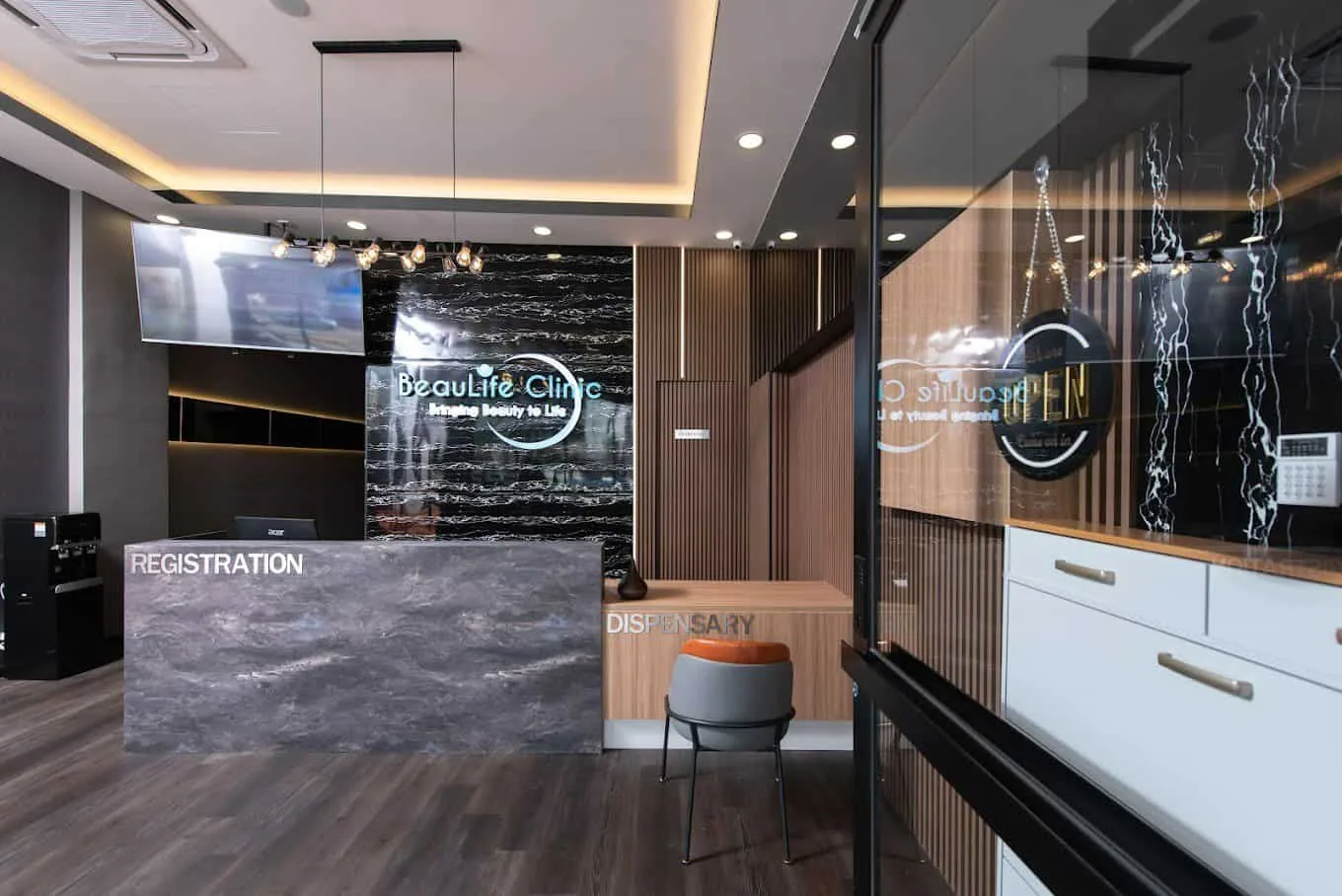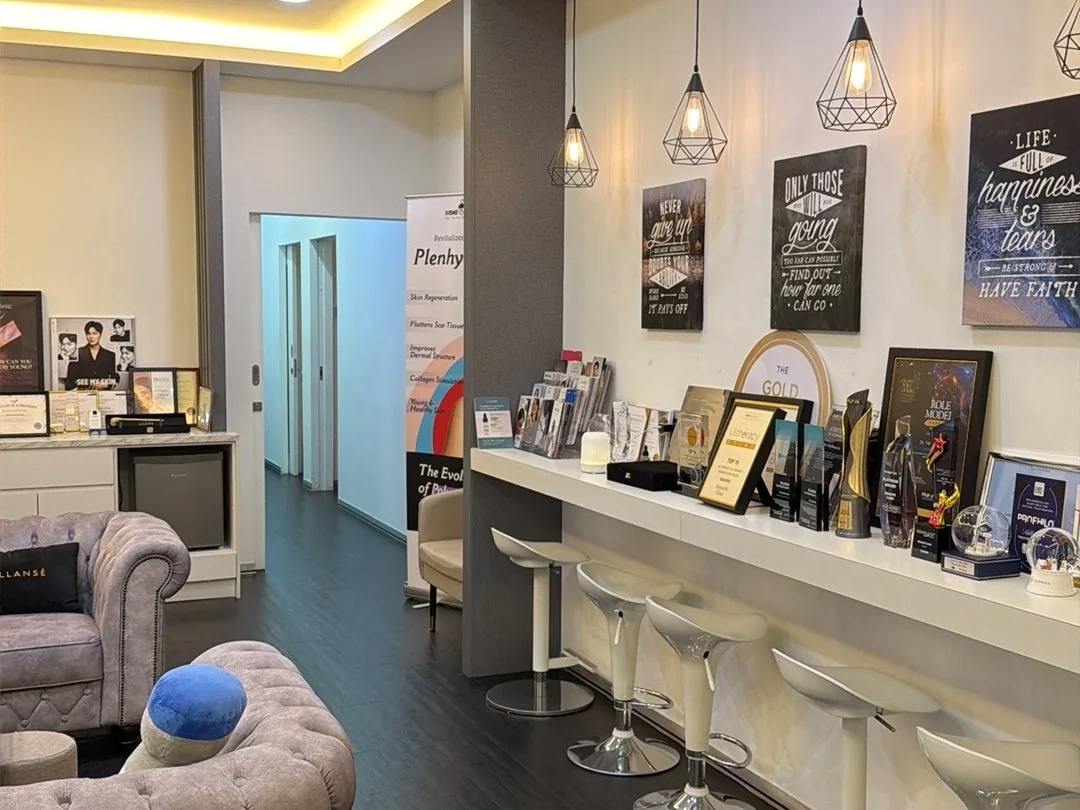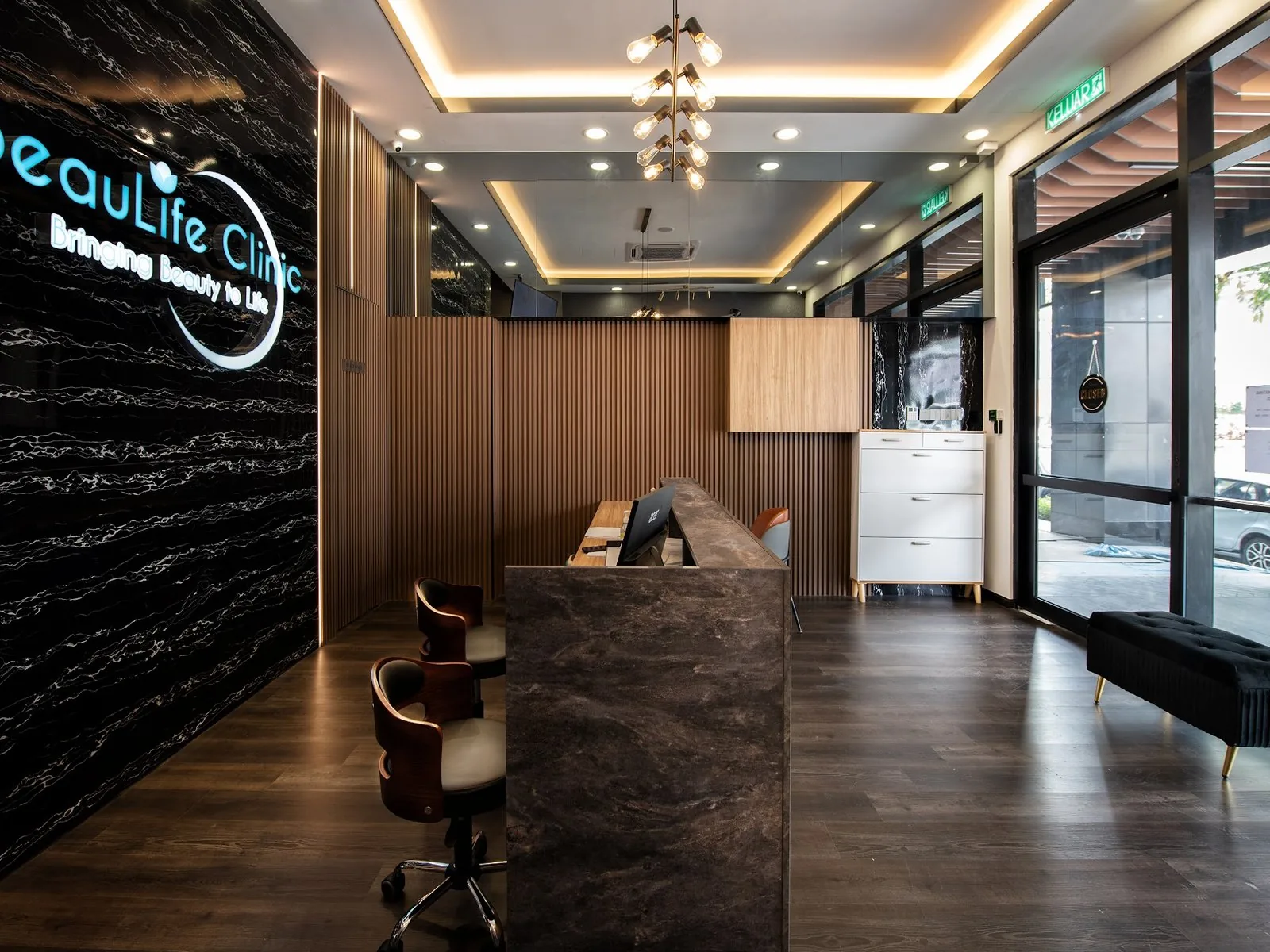
If you searched for “aesthetic clinic Malaysia”, you probably have a treatment in mind and a shortlist of names from Instagram, TikTok or a friend. The harder question is which of those names is a real medical clinic. In Malaysia, Botox, fillers, skin boosters and medical lasers are medical procedures, and the law treats them that way.
This guide gives you the checks the Ministry of Health itself tells patients to make before choosing an aesthetic clinic in Malaysia: what each type of doctor may legally do, how often unlicensed operators get caught, and what a fair price looks like. We are BeauLife Clinic, MOH-registered since 2017 (KKLIU 1970/2019), and you can apply every check below to us too.
Want to know who would be treating you here?
Our registration, doctors and approach are set out on one page.
Read about BeauLife ClinicBefore the checklist, this short video from a dermatology professional body explains why injections and fillers belong in a doctor’s hands.
Who should be providing your cosmetic treatment?
1. What makes an aesthetic clinic in Malaysia legal?
Quick Answer: A legal aesthetic clinic in Malaysia is a private medical clinic registered with the Ministry of Health under Act 586, where a registered doctor with a valid LCP performs the treatment. MOH sums it up as the “3Ps”: procedure, practitioner and premises. All three must pass, not just one.
The Ministry of Health’s Medical Practice Division told the public in 2025 to “check the 3Ps” before any aesthetic treatment, warning that skipping them can lead to serious complications, including death. Each P is a separate test:
- Premises. The clinic must be registered with MOH and authorised to provide aesthetic services. A registered clinic usually trades as a “Klinik”, not as a “Pusat Kecantikan” (beauty centre).
- Practitioner. Only registered medical practitioners may perform aesthetic procedures. You can confirm a doctor on the Malaysian Medical Council’s MeRITS register.
- Procedure. The treatment itself must be legal, and the product must be registered. Some procedures are banned outright in Malaysia, whoever performs them.
A licence on the wall covers the premises only; a friendly doctor covers the practitioner only. Any aesthetic clinic in Malaysia can pass one P and fail another, so ask about all three. BeauLife’s registration number, KKLIU 1970/2019, is shown on our clinic information page, and you can ask to see the certificate at any branch.
2. Which doctors can perform which aesthetic treatments?
Quick Answer: In Malaysia, no doctor may perform any aesthetic procedure without a Letter of Credentialing and Privileging (LCP). GPs with an LCP can do non-invasive treatments such as Botox, fillers and lasers. Only plastic surgeons may do the full range of cosmetic surgery. Beauty therapists may not inject or use medical lasers.
The table below sets out who may do what, based on MOH’s aesthetic practice rules as summarised by Malay Mail. Darker cells mean a wider legal scope.
| Practitioner | Botox, fillers, lasers | Invasive procedures | Cosmetic surgery | LCP valid for |
|---|---|---|---|---|
| GP with LCP | Yes, within LCP | No | No | 3 years, renewable |
| Medical specialist with LCP | Yes, within LCP | Only as listed on LCP | No | 5 years, renewable |
| Plastic surgeon with LCP | Yes, within LCP | Yes | Full range | 5 years, renewable |
| Doctor without LCP | No | No | No | Not applicable |
| Beautician or salon | No | No | No | Not eligible |
Source: MOH aesthetic practice rules via Malay Mail, July 2025. Licence.
Two details catch patients out. First, an LCP is procedure-specific. A doctor credentialed for Botox for wrinkles is not automatically credentialed for thread lifts or liposuction. Second, it expires: three years for GPs and five for specialists. Ask “Does your LCP cover this treatment, and is it current?” A qualified doctor will answer without hesitation.
Every doctor at an aesthetic clinic in Malaysia also needs a yearly practising certificate on top of full MMC registration, which you can check on MeRITS in two minutes.
3. How often does MOH act against unlicensed aesthetic services?
Quick Answer: Often, and the numbers are rising. MOH raided 30 premises in 2025 over unlicensed aesthetic services and illegal social media promotion, opening 18 investigation papers. Since 2021, it has received more than 1,020 complaints about healthcare at unlicensed premises and carried out 320 raids, with 70 cases taken to court.
| Measure | Aesthetic services, 2025 | All unlicensed healthcare, 2021–mid 2026 |
|---|---|---|
| Complaints received | Not published | 1,020+ |
| Raids on premises | 30 | 320 |
| Investigation papers opened | 18 | 126 |
| Warnings and advisories | Not published | 194 |
| Cases charged or in court | Not published | 70 |
Source: MOH via NST (Feb 2026) and The Vibes (Jun 2026). Licence.
The 2025 figures come from the ministry’s statement on 30 raids reported by NST; MOH also works with MCMC to take down illegal advertisements. The wider figures come from a June 2026 MOH statement in The Vibes, which said complaints, including about aesthetic services, rise every year.
Providing healthcare at unregistered premises can mean a fine of up to RM500,000, up to six years’ jail, or both, per the same MOH statement. The patient still carries the medical risk. If you live in the Klang Valley, our guide to what to check before you book in KL adds local tips on top of this one.
Raids catch operators after the fact. The 3Ps check protects you before the first injection.
4. What are the red flags of an unsafe aesthetic clinic in Malaysia?
Quick Answer: The clearest red flags are treatment in a home, hotel room or salon, a provider who only exists on social media, no doctor named before the appointment, products you cannot see sealed, and offers for procedures MOH lists as illegal, such as breast or buttock fillers. Any one of these is enough to walk away.
The Association of Private Hospitals Malaysia warned in July 2026 about treatments offered in hotel rooms, private homes and beauty salons at prices far below market rates, often sold through aggressive online marketing. Watch for these signs:
- The wrong place. A home, hotel suite, spa or salon is not a registered clinic, however clean it looks.
- No physical clinic. A seller that exists only on WhatsApp, TikTok or Instagram has no premises for MOH to register.
- No doctor’s name. If nobody can tell you which doctor will treat you, you cannot check the MMC register or the LCP.
- Hidden products. Injectables should come sealed and labelled. Botox, fillers and skin boosters such as Profhilo should be products registered with the NPRA, and devices with the Medical Device Authority.
- Banned procedures. MOH’s list of illegal procedures includes breast fillers, buttock fillers and vitamin C IV drips. A provider who offers them fails the procedure test.
- Pressure and promises. “Book today to keep this price” or a promised result are sales tactics, not medical advice.
5. How do you check a clinic in 10 minutes before you pay?
Quick Answer: Ask for the clinic’s MOH registration number, get the treating doctor’s full name and look it up on MeRITS, ask whether the doctor’s LCP covers your treatment, ask which product or device brand will be used, and get the full price before treatment. Ten minutes is enough.
How to check an aesthetic clinic before paying a deposit
Do these five steps in order. Most can be done by WhatsApp before you visit.
- Ask for the registration number. A registered private clinic has an MOH registration under Act 586. Ours is KKLIU 1970/2019.
- Get the doctor’s full name. Search it on the MMC’s MeRITS register to confirm full registration.
- Ask about the LCP. Confirm it is current and covers the treatment you want, such as PICO laser for pigmentation or fillers.
- Ask for the brand. Name the product or device in advance, then ask to see the sealed box or the device on the day.
- Get the full price first. A doctor should assess you, explain the plan and risks, and tell you the cost before anything starts.
If a clinic hesitates or gets defensive at any step, that is your answer. A genuine aesthetic clinic in Malaysia hears these questions every week.
Want to run these five checks on us?
Message any of our five branches and ask for our registration, your doctor and the product we would use.
Contact BeauLife Clinic6. How much does a registered aesthetic clinic in Malaysia charge?
Quick Answer: At BeauLife, Botox typically starts from about RM 400 per area, PICO laser from RM 600 per session, Profhilo from RM 2,000 per syringe and Thermage FLX from RM 4,999, in the Klang Valley. The exact quote is given after a consultation, because the dose, area and number of sessions vary by person.
| Treatment | Starting price | From (RM) | Typical range |
|---|---|---|---|
| Botox (per area) | 400 | RM 400 – 1,500 | |
| PICO laser (per session) | 600 | RM 600 – 2,000+ | |
| Aqualyx (per session) | 699 | From about RM 699 | |
| Rejuran (per session) | 1,200 | RM 1,200 – 2,500 | |
| CoolSculpting (per area) | 1,500 | RM 1,500 – 2,500 | |
| Profhilo (per 2 ml syringe) | 2,000 | RM 2,000 – 4,500 | |
| Juvederm Voluma (per syringe) | 2,500 | About RM 2,500 – 3,500 | |
| Sculptra (per vial) | 2,500 | About RM 2,500 – 4,000 | |
| Thermage FLX (per session) | 4,999 | RM 4,999 – 12,888 |
Source: BeauLife Clinic treatment pages, 2026. Final quote after consultation. Licence.
These figures come from our own treatment pages, so you can check the detail behind each one. Botox treatment for wrinkles is priced per area, because a frown line needs fewer units than a forehead. PICO laser treatment is priced per session, and melasma or scars usually need four to six sessions. Profhilo skin booster is priced per 2 ml syringe, usually two sessions a month apart. Thermage FLX skin tightening is a single session priced by the number of pulses and the area.
Use the table as a sense check, not a menu. Your figure depends on your skin, your goal and the doctor’s assessment.
7. Why is a very cheap aesthetic treatment a warning sign?
Quick Answer: Genuine toxins, fillers and devices cost a registered clinic real money to buy, store and maintain. A price far below the usual range often means a diluted or unregistered product, an under-dosed treatment, a non-doctor injecting, or unlicensed premises. Low prices are the main hook used by illegal operators in Malaysia.
The July 2026 warning on bargain procedures named “attractive prices and promotional offers” as the main way unlicensed operators reach patients. The savings usually come from one of four places:
- The product. Counterfeit or unregistered toxins and fillers cost far less than genuine, sealed stock.
- The dose. Fewer units than you need means a result that fades quickly or never shows, and a second bill.
- The person. A beautician costs less than an LCP-certified doctor, but cannot legally inject or manage a complication.
- The premises. No registration means no inspection, no emergency kit standard and no one to answer to.
A fair price is not the same as the highest price, and registered clinics vary too. If a Botox treatment quote is a fraction of the usual RM 400 per area, ask the product name and dose, and judge the answer by the 3Ps.
8. Which aesthetic treatments are most popular worldwide?
Quick Answer: Non-surgical treatments now outnumber surgery. ISAPS counted about 20.5 million non-surgical procedures worldwide in 2024, against 17.4 million surgical ones. Botulinum toxin led with 7.8 million, followed by hyaluronic acid filler at 6.3 million. Both are products you cannot judge by eye.
| Procedure group | Volume | Procedures (millions) | Note |
|---|---|---|---|
| All non-surgical | 20.5 | Larger than surgery | |
| All surgical | 17.4 | Eyelid surgery now top | |
| Botulinum toxin | 7.8 | Most common non-surgical | |
| Hyaluronic acid filler | 6.3 | Up 5.2% on 2023 | |
| Eyelid surgery | 2.1 | Most common surgery |
Source: ISAPS Global Survey 2024 press release, June 2025. Licence.
The ISAPS 2024 Global Survey found 47% of toxin injections went to people aged 35 to 50. Popular, quick treatments are easy to sell and hard to check by eye, so any aesthetic clinic in Malaysia you shortlist should name its toxin and filler brands without being asked twice.
For devices such as Thermage FLX, the same logic applies: ask for the device name and a genuine treatment tip.
Comparing clinics in Kuala Lumpur?
Our KL guide covers local checks, travel and branch options.
Read the KL clinic checklist9. How does BeauLife meet these checks?
Quick Answer: BeauLife Clinic is registered with MOH under KKLIU 1970/2019 and has operated since 2017. Treatments are done by LCP-certified doctors at five Klang Valley branches. Every plan starts with a doctor’s assessment and a price quote before treatment, and we will answer every question in the checklist above.
Here is how we line up against the 3Ps, so you can hold us to the same standard:
- Premises: MOH-registered private clinic, KKLIU 1970/2019, operating since 2017.
- Practitioner: LCP-certified doctors. Ask for your doctor’s name and check it on MeRITS.
- Procedure: registered products and devices, shown to you before treatment, with a price quote first.
- Branches and hours: Bukit Jalil, Cheras, Puchong, Subang Jaya and Ampang; Monday to Friday 10am–7pm, weekends 10am–5pm.
Booking is by WhatsApp on +6016-251 7687. Our full treatment range is on the BeauLife aesthetic clinic homepage.
10. Your next step
Choosing a safe aesthetic clinic in Malaysia comes down to three checks and one habit. Confirm the premises, the practitioner and the procedure, then compare the price with published ranges before you pay anything. Walk away from homes, hotels, salons and social-media-only sellers, however good the offer looks.
When you are ready, use the same checklist on any aesthetic clinic in Malaysia you are considering, including ours.
11. Frequently Asked Questions
1. Is it legal to get Botox or fillers at a beauty salon in Malaysia?
No. Botox and fillers are medical procedures, so they belong in a registered aesthetic clinic in Malaysia, done by a doctor with a valid LCP. Beauticians and salons may not inject or use medical lasers.
2. How do I check if a doctor in Malaysia has an LCP?
Ask the doctor directly whether they hold a Letter of Credentialing and Privileging, whether it is current and whether it covers your treatment. First confirm their full registration on the Malaysian Medical Council’s MeRITS register. LCPs last three years for GPs and five for specialists.
3. Which aesthetic procedures are illegal in Malaysia?
The Ministry of Health lists breast fillers, buttock fillers and vitamin C IV drips as illegal procedures in Malaysia. Any provider offering them fails the “procedure” test of the 3Ps, whatever their other credentials.
4. Is a cheaper aesthetic clinic always less safe?
Not always, because prices vary between registered clinics. But a quote far below the usual range, such as Botox well under about RM 400 per area, is a reason to ask about the product, dose and doctor first.
5. Where are BeauLife’s branches and when are they open?
BeauLife Clinic has five Klang Valley branches: Bukit Jalil, Cheras, Puchong, Subang Jaya and Ampang. They open Monday to Friday 10am to 7pm, and Saturday and Sunday 10am to 5pm. Book by WhatsApp on +6016-251 7687.
Ready to check a clinic properly?
Book a consultation at any of our five Klang Valley branches. A doctor will assess your skin, explain which treatments suit you and their risks, and give you a clear price before anything starts.
Book my consultationDr. Teh Sheau Jye
Medical Director at BeauLife Clinic. Dr. Teh is an LCP-certified aesthetic doctor (Ministry of Health, Malaysia) with an MBBS from IMU and a Diploma in Aesthetic Medicine from the AAAM, USA. Read Dr. Teh’s profile