Searching thermage vs ultherapy for face usually brings up the same line: ultrasound lifts deep, radiofrequency smooths the surface. Fair, but it leaves out what happened when doctors tested both devices on the same faces, and how much each really hurts.
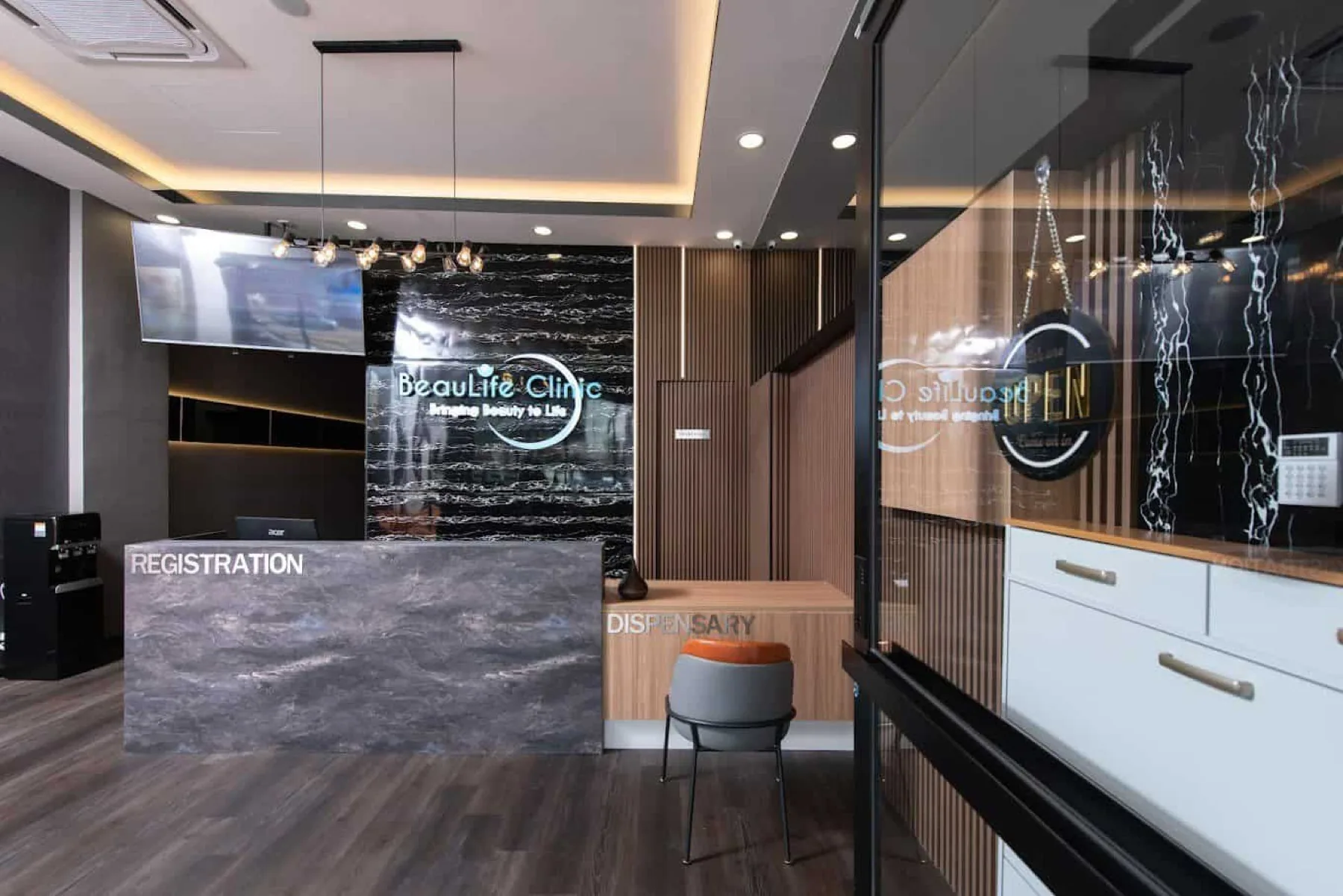
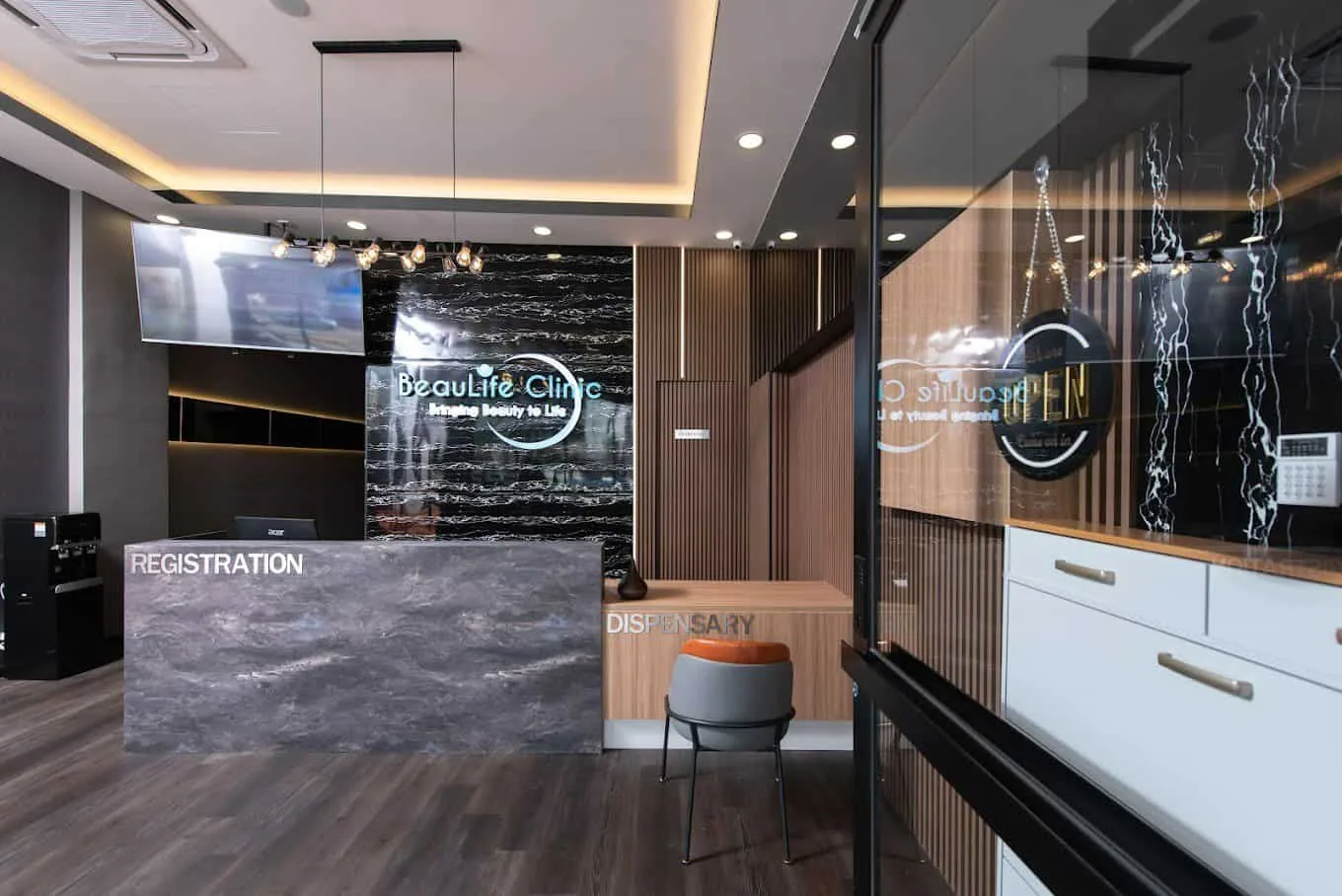
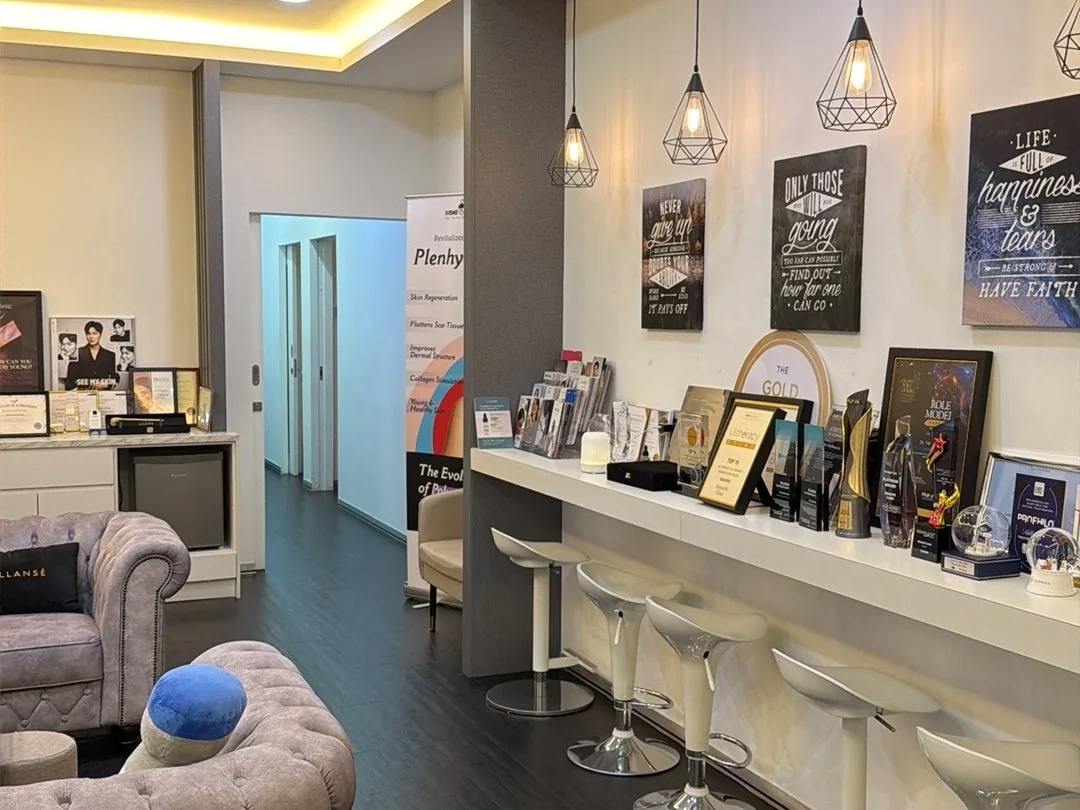
This guide goes zone by zone, with the trial evidence, timeline and cost by area. It is written by BeauLife Clinic, an MOH-registered aesthetic clinic (KKLIU 1970/2019) operating since 2017, with LCP-certified doctors at five Klang Valley branches. It does not replace a doctor’s examination.
This short talk from a laser-medicine society meeting explains how ultrasound and radiofrequency each heat the skin.
Ultrasound and Radiofrequency in Dermatology
1. What is the difference between Thermage and Ultherapy?
Quick Answer: Thermage FLX sends monopolar radiofrequency through a cooled tip, heating the deep dermis in a broad, even layer. Ultherapy Prime focuses ultrasound into small heat points at set depths, down to the SMAS muscle layer a surgeon lifts, while the doctor watches the layers on screen. Our Thermage FLX treatment page explains the radiofrequency side in detail.
Both rely on controlled heat: collagen contracts on the day, then your skin builds new collagen over months. The practical differences:
- How the heat spreads. Thermage heats a wide sheet of skin, so it often improves crepey texture too.
- How deep it goes. Ultherapy places heat in lines at chosen depths, including the deeper support layer under the cheeks, jaw and chin.
- What the doctor sees. Ultherapy Prime shows the layers on screen; Thermage measures the skin pulse by pulse.
- How it is priced. Thermage by area and shot count (REP); Ultherapy by area and number of lines.
2. Is Thermage or Ultherapy better for the face?
Quick Answer: Neither, on current evidence. In a randomised split-face trial of 20 adults with mild to moderate laxity, one side of the face got Ultherapy and the other radiofrequency like Thermage. Both sides improved from day 30 to day 180, with no significant difference in laxity, satisfaction or side effects. Our Ultherapy Prime page covers the ultrasound side.
Most comparisons online call Ultherapy the “lifter” and Thermage the “smoother”. The trial is small and American, so it cannot settle every case, but it suggests the choice is about fit rather than strength.
So the useful question in thermage vs ultherapy for face is: which zone bothers you, how thick is the tissue there, and how much discomfort and cost can you accept?
3. Which suits each area of the face: brow, eyes, cheeks, jowls or neck?
Quick Answer: Ultherapy tends to suit a heavy brow, early jowls and loose skin under the chin, where deeper tissue needs lifting. Thermage tends to suit the eyelids, crow’s feet and thin, crepey cheeks. For the full face, both work. The table below sets out thermage vs ultherapy for face zone by zone.
| Face zone | Ultherapy Prime | Thermage FLX |
|---|---|---|
| Upper face | ||
| Low or heavy brow | Usually the first choice; 86% had a visible brow lift at day 90 (Alam 2010) | Can lift slightly; 61.5% of brows rose at least 0.5 mm (Fitzpatrick 2003) |
| Upper eyelids and crow’s feet | Treated around, not on, the eyelid | Has a dedicated eye tip; 86% of 14 Asian patients reported over 50% tightening at 6 months (Suh 2025) |
| Midface and lower face | ||
| Thin, crepey cheeks | Possible, but texture is not its main strength | Usually the better fit, as broad heating also smooths texture |
| Early jowls and soft jawline | Usually the better fit; 58.1% improved on blinded photos (Oni 2014) | Works for mild laxity, especially thinner faces |
| Fuller face or BMI above 30 | Responds less: no change in 54.5% of such patients (Oni 2014) | Also limited; heavy tissue needs a different plan |
| Chin and neck | ||
| Under-chin looseness | Cleared for this area in the US (FDA record, 2012) | Can tighten mild looseness |
| Crepey neck skin | Often combined with Thermage | Usually the better fit for texture |
Sources: linked in the table. Studies used different devices, generations and outcome measures, so figures show what each study found rather than a direct ranking. Compiled by BeauLife Clinic, November 2026.
Tissue weight changes the answer more than brand: in the Oni study, people with a BMI above 30 often saw no change. And many faces have two problems, such as a heavy brow plus crepey eyelids, which is why some plans use both.
Not sure which zone is really the problem?
A BeauLife doctor can look at skin thickness, laxity and volume and tell you which device, if either, fits.
See how a Thermage plan is assessed4. What results do studies show for each device?
Quick Answer: Studies report visible improvement in roughly 60% to 90% of patients for both. A 2025 review of 42 Ultherapy studies pooled 89% improvement by investigators, while Thermage’s main multicentre study found 83.2% of eye areas improved. The bars below put the headline figures side by side; our Thermage page lists more research.
| Study and measure | Share of patients or areas improved (bar scaled to 100%) |
|---|---|
| Ultherapy (microfocused ultrasound with imaging) | |
| Pooled review, 42 studies, investigator-rated improvement | 89% (Amiri 2025) |
| Brow lift at day 90, 35 adults | 86%, mean 1.7 mm (Alam 2010) |
| Lower face laxity on blinded photos, 93 adults | 58.1% (Oni 2014) |
| Thermage (monopolar radiofrequency) | |
| Eyelid tightening over 50%, patient-rated, 14 Asians, 6 months | 86% (Suh 2025) |
| Eye-area wrinkles improved at 6 months, 119 areas | 83.2% (Fitzpatrick 2003) |
| Brows lifted at least 0.5 mm, 65 brows | 61.5% (Fitzpatrick 2003) |
| Head-to-head | |
| Split-face, 20 adults, laxity at 6 months | No significant difference between sides (Alhaddad 2019) |
Sources: Amiri 2025, Alam 2010, Oni 2014, Suh 2025, Fitzpatrick 2003 and Alhaddad 2019, via PubMed. Older studies used earlier device generations. Compiled by BeauLife Clinic, November 2026.
Read these bars with care:
- The measures differ, so a higher bar is not a stronger device.
- Satisfaction is lower. When “neutral” was an option, 62% were satisfied in the Amiri review, whose authors warned the pooled figures may overstate results.
- Lifts are in millimetres. Brow gains of about 1.5 to 2 mm are typical: noticeable to you, subtle to others.
5. Which hurts more, Thermage or Ultherapy?
Quick Answer: Both are uncomfortable, and the gap is small. Ultherapy patients scored pain at about 5.7 to 6.5 out of 10 on the lower face, and a review pooled 4.85. A 2026 Thermage FLX study recorded about 6.6 to 7.1 out of 10. Numbing cream, cooling and breaks help with either; our Ultherapy Prime page describes the session.
| Pain measure (0 to 10) | Ultherapy | Thermage FLX |
|---|---|---|
| Per area | Cheek 5.68, under-chin 6.09, jawline 6.53 (Oni 2014) | Left face 7.12, right face 6.62 (46 adults) |
| Pooled across studies | 4.85, from 785 patients (Amiri 2025) | No pooled figure published |
| Who felt it more | Bony areas such as the jawline | Younger patients (42 and under) scored higher |
The studies used different numbing routines, so treat the gap as rough. In practice, areas where bone sits close to the skin hurt more with either device.
6. How soon do results show, and how long do they last?
Quick Answer: Both tighten slightly on the day, then build over months. Ultherapy’s lift usually shows over two to three months; Thermage builds over two to six months. In the split-face trial both sides were already improved at day 30 and still improved at day 180. Results usually last about 12 to 18 months for Ultherapy and one to two years for Thermage.
| Time after treatment | Ultherapy Prime | Thermage FLX |
|---|---|---|
| Session day | 60 to 90 minutes; moderate pain; flushing for a few hours | 30 to 90 minutes; moderate pain with cooling and vibration |
| Days 1 to 3 | Mild swelling and tenderness, sometimes tingling | Mild redness or swelling, usually gone within a day or two |
| Day 30 | Improved on laxity scores (Alhaddad 2019) | Improved on laxity scores (same trial) |
| Months 2 to 3 | Lift mostly visible; brow up 1.7 to 2.16 mm in studies (Chen 2024) | Firmness and texture improving; still building |
| Month 6 | Holding; 87.5% still had brow elevation at day 180 (Chen 2024) | Collagen phase complete; both sides equal in the trial |
| Months 12 to 18 | Usual point for a review or repeat | Results usually holding |
| Months 18 to 24 | Gradual return toward baseline | Usual point for a review or repeat |
Sources: Alhaddad 2019 and Chen 2024 (linked), plus session length, build-up and duration ranges from BeauLife Clinic’s Thermage FLX and Ultherapy Prime treatment pages. Individual results vary. Compiled by BeauLife Clinic, November 2026.
Planning for an event? Book three to six months ahead. (The 2.16 mm figure came from another microfocused ultrasound device.)
7. How much do Thermage and Ultherapy cost in the Klang Valley?
Quick Answer: In the Klang Valley, Ultherapy Prime typically starts from about RM 2,888 for the brow and runs to RM 12,000 or more for face and neck. Thermage FLX starts from about RM 4,999 for the eyes and reaches RM 9,888 to 12,888 for 900 shots. Our guide to Thermage, Ultherapy and HIFU costs in Malaysia goes deeper.
| Area | Typical range | Upper end (bar scaled to RM 12,888) |
|---|---|---|
| Ultherapy Prime, one session | ||
| Brow and upper face | RM 2,888 – 4,500 | up to RM 4,500 |
| Lower face and jawline | RM 4,500 – 7,500 | up to RM 7,500 |
| Full face and neck | RM 8,000 – 12,000+ | RM 12,000 or more |
| Thermage FLX, one session | ||
| Eyes (225 to 450 shots) | RM 4,999 – 6,800 | up to RM 6,800 |
| Full face (600 shots) | RM 6,888 – 9,888 | up to RM 9,888 |
| Full face and neck (900 shots) | RM 9,888 – 12,888 | up to RM 12,888 |
Source: typical Klang Valley ranges listed on BeauLife Clinic’s Thermage FLX and Ultherapy Prime treatment pages, 2025–2026. Your exact quote is given after a consultation.
Compare like with like. Ask for the shot count (Thermage) or the number of lines (Ultherapy) per area, not just a “full face” price. If the budget is lower, gentler radiofrequency options such as DENSITY or XERF may suit early laxity.
Want both devices priced for your own face?
Ask for a written plan showing the zones, shot count or lines, and when a review is due.
Read how an Ultherapy Prime plan is built8. Is it safe, and can you combine Thermage and Ultherapy?
Quick Answer: Both are generally safe with a genuine device and a trained doctor. Redness, swelling and tenderness for a few days are common. Rare problems include burns, small areas of fat loss and temporary numbness or nerve weakness. Combining is common, and order may matter. Choose a registered aesthetic clinic in Malaysia either way.
- Thermage burns. The original multicentre study recorded small second-degree burns in 0.36% of applications, on an older system without today’s cooling and tuning.
- Ultherapy reports. A 2025 review found mostly mild effects across 506 published patients; US device reports most often described fat loss, nerve effects and scarring.
- Who should not have it. Thermage is not suitable with a pacemaker or other electrical implant; both are usually postponed in pregnancy or with active skin infection.
- Combining. In a split-face study of 24 Korean adults, radiofrequency first, then ultrasound, gave slightly better wrinkle reduction than the reverse order.
Medical devices in Malaysia must be registered with the Medical Device Authority, so ask to see a sealed, genuine tip or transducer.
9. When is neither Thermage nor Ultherapy the right choice?
Quick Answer: When the main problem is lost volume, heavy sagging or a very full face. Hollow cheeks respond better to fillers or collagen stimulators, which our Sculptra vs Ellansé comparison explains. Heavy jowls and neck bands usually need a surgeon’s opinion. Devices tighten tissue; they cannot replace volume or remove excess skin.
| Your main concern | Usually a better first step |
|---|---|
| Hollow cheeks or temples | Collagen stimulator such as Sculptra, or filler |
| Heavy jowls, neck bands, excess skin | A plastic surgeon’s assessment |
| Fuller face with little laxity | Fat-reduction options first, then reassess |
| Very early laxity, tighter budget | DENSITY or another radiofrequency option |
A careful doctor should tell you plainly if a device is likely to disappoint.
10. How do you choose between Thermage and Ultherapy?
Quick Answer: Name your main zone, check your skin type, set your timeline and compare quotes by shots or lines. Then confirm the device is genuine. Bring the steps below to your consultation for Thermage FLX or Ultherapy Prime.
- Name the zone. Brow, eyes, cheeks, jowls, under-chin or neck; the table above shows which device each zone tends to suit.
- Check the tissue. Thin, crepey skin leans to Thermage; heavier brow or jowl tissue leans to Ultherapy.
- Set the timeline. Allow three to six months before an event.
- Plan for discomfort. Ask about numbing and breaks for bony areas.
- Compare quotes properly. Shots for Thermage, lines for Ultherapy, per area.
- Verify the device. Ask to see the system and a sealed, genuine tip or transducer.
11. The short version
In thermage vs ultherapy for face, the evidence does not crown a winner: the only split-face trial found both improved laxity equally. Ultherapy tends to suit heavier brow, jowl and under-chin tissue; Thermage suits thinner, crepey skin and the eyes. Both hurt moderately and build over months. Choose by zone, tissue and comfort.
12. Frequently Asked Questions
1. Which is better in thermage vs ultherapy for face?
Neither is better for everyone. The only split-face trial found no significant difference. Ultherapy tends to suit a heavy brow, jowls and under-chin; Thermage tends to suit the eyes and thin, crepey skin.
2. Which is better for jowls?
Early jowls usually respond a little better to Ultherapy, which reaches the deeper support layer. Heavy jowls are usually beyond either device and may need a surgeon’s opinion.
3. Can I do Thermage and Ultherapy together?
Yes. Many plans combine them so ultrasound lifts the deeper layer and radiofrequency improves texture. Your doctor sets the order and spacing.
4. How much do Thermage and Ultherapy cost in the Klang Valley?
Ultherapy Prime typically costs about RM 2,888 to 12,000 or more by area, and Thermage FLX about RM 4,999 to 12,888 by area and shot count. The exact quote follows a consultation.
Unsure whether Thermage or Ultherapy suits your face?
WhatsApp us on +6016-251 7687. A BeauLife doctor will check which zones need lifting or tightening and quote a clear plan. We open 10am–7pm on weekdays and 10am–5pm on weekends at Bukit Jalil, Cheras, Puchong, Subang Jaya and Ampang.
Book a consultation