If you are searching for a korean aesthetic clinic KL residents talk about, you probably want the “glass skin” look: clear, even, well-hydrated skin that still looks like you. The good news is that the label matters less than what is actually in the treatment room.
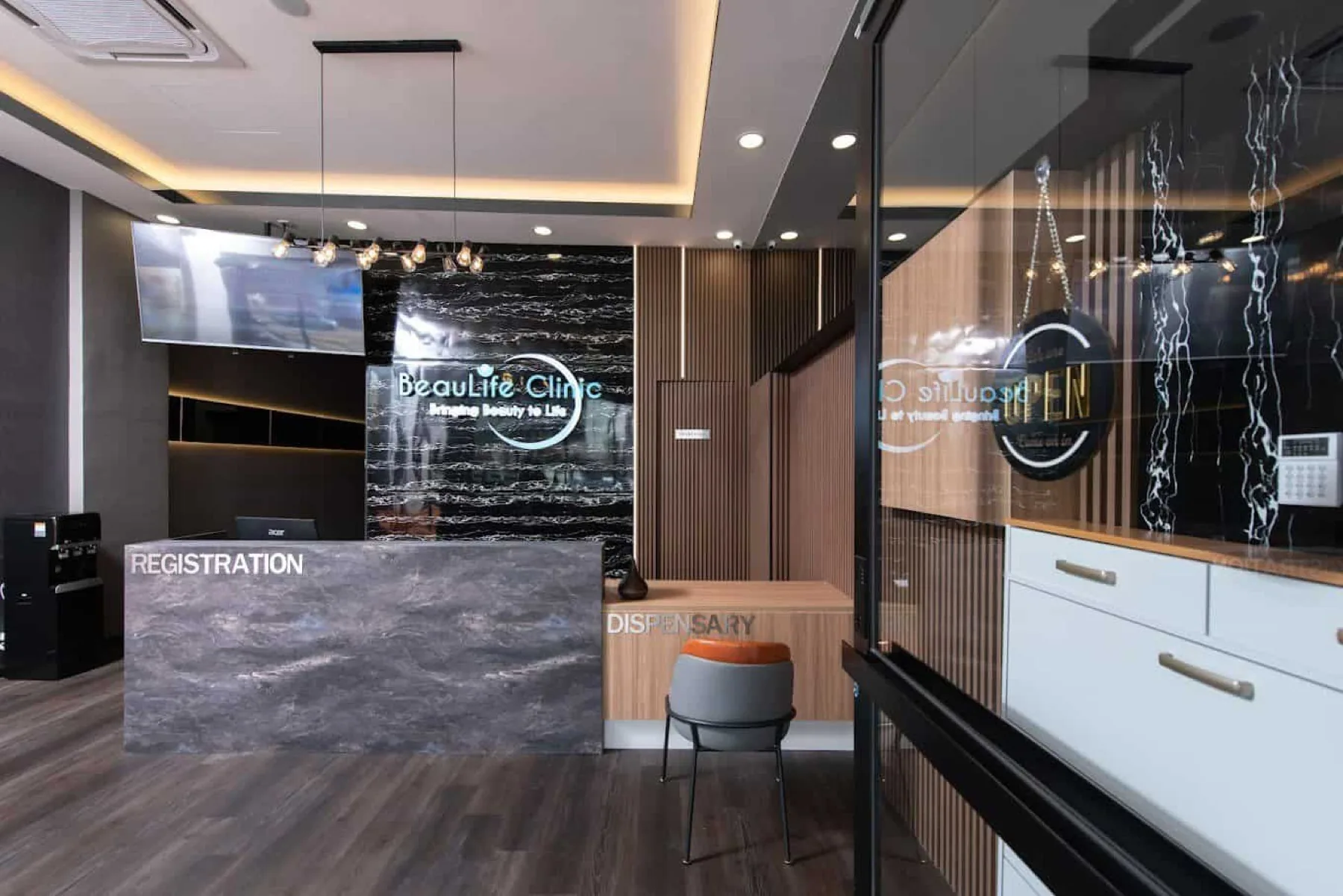
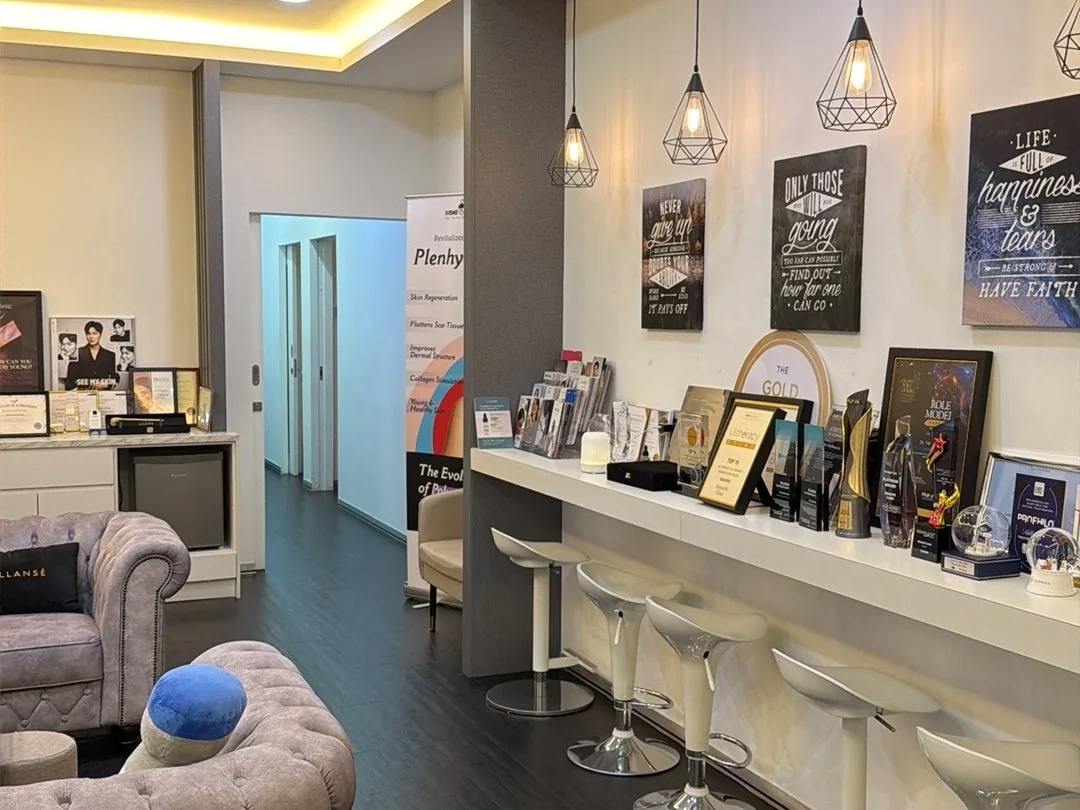
We are BeauLife Clinic, registered with the Ministry of Health (KKLIU 1970/2019) and run by LCP-certified doctors since 2017 across five Klang Valley branches. This guide explains what “Korean” means in aesthetics and which Korean-made treatments you can get here. It also covers how Korean-style dosing differs, and whether a trip to Seoul makes sense for a treatment that needs several sessions.
Curious about the salmon-DNA booster everyone mentions?
Rejuran is a widely used Korean skin booster made by PharmaResearch and used for texture, fine lines and skin repair.
See how Rejuran skin booster worksThis short video from PharmaResearch, the Korean maker of Rejuran, shows how the company makes its polynucleotide (PN) ingredients. It is a manufacturer video, so treat it as background rather than independent evidence.
How the maker of Rejuran makes its PN ingredients
1. What does a Korean aesthetic clinic actually mean?
Quick Answer: In KL, “Korean aesthetic clinic” rarely means a clinic run from Korea. It usually means three things: treatments made by Korean companies, a Korean-style focus on skin quality before volume, and a plan of small, repeated sessions. Any licensed clinic can offer these, so judge the doctor, the products and the plan rather than the name.
When people ask for a korean aesthetic clinic KL, they tend to mean one or more of these:
- Korean-made products and devices. Boosters such as Rejuran and RF microneedling devices such as Potenza are designed and made in Korea.
- A skin-quality first approach. Treat texture, pores, tone and hydration before adding volume, so the face looks fresher rather than changed.
- Gradual, layered plans. Several lighter sessions, often a device followed by a booster, instead of one big treatment.
- Natural-looking doses. Smaller amounts of toxin or filler suited to Asian faces.
None of these needs a Korean flag on the door. What they do need is a licensed medical clinic, a doctor who examines you, and genuine products. Our guide to choosing an aesthetic clinic in Malaysia explains how licensing works here.
2. Why are Korean skin treatments so popular?
Quick Answer: Korea has become a global hub for skin treatment. Government data reported by the Korea JoongAng Daily shows 705,044 foreign patients had dermatology treatment in Korea in 2024, up from 239,060 in 2023 and just 6,015 in 2009. Dermatology rose from 9.3% to 56.6% of all foreign patient treatment.
| Year | Foreign dermatology patients (bar, 0–750,000) | Dermatology share of foreign patient treatment |
|---|---|---|
| 2009 | 6,015 patients | 9.3% |
| 2019 | Count not reported in the source | 14.4% (third, after internal medicine 19.2% and plastic surgery 15.3%) |
| 2023 | 239,060 patients | Dermatology becomes the leading specialty |
| 2024 | 705,044 patients | 56.6% |
Source: Korea Health Industry Development Institute data, as reported by the Korea JoongAng Daily (28 August 2025). Figures cover foreign patients treated in Korea, not Malaysian patients specifically. Licence.
What drives the numbers, according to the Korea JoongAng Daily report:
- Neighbours lead the demand. In 2024, Japanese patients made up 43.7% of foreign dermatology visits, Chinese 24.4% and Taiwanese 9.6%.
- Skin, not surgery. Dermatology overtook plastic surgery and internal medicine as the leading reason foreign patients came, from 2023 onwards.
- K-beauty does the marketing. Celebrity visits and social media keep Korean skin treatments in the news.
For a patient in KL, the takeaway is simple. The demand is mostly for non-surgical skin care. That is the part a korean aesthetic clinic KL patients can visit after work delivers most easily, with the same Korean-made devices and boosters, such as Potenza RF microneedling.
3. Which Korean skin treatments can you get in KL?
Quick Answer: At BeauLife, eight treatments come from Korean makers: Rejuran, Juvelook and RE2O boosters; Potenza, Sylfirm X, DENSITY and XERF radiofrequency devices; and ASCE exosomes for recovery. Klang Valley prices range from about RM 600 for ASCE to RM 4,888–9,888 for XERF, with the exact quote given after a consultation.
| Treatment | Korean maker | Main job | Typical Klang Valley price |
|---|---|---|---|
| Injectable skin boosters | |||
| Rejuran | PharmaResearch | Repair: texture, fine lines, redness, scars (salmon-DNA PN) | RM 1,200 – 2,500 per session |
| Juvelook | VAIM | Collagen for texture, pores and shallow acne scars (PDLLA + HA) | About RM 1,200 – 2,800 per session |
| RE2O | L&C Bio (distributed by Humedix) | Skin matrix booster made from donated human dermis | Quoted after assessment (new product) |
| Radiofrequency devices | |||
| Potenza | Jeisys Medical | RF microneedling for acne scars, pores and texture | From about RM 3,000 per session |
| Sylfirm X | Viol | RF microneedling for pores, redness and melasma-related vessels | RM 1,800 – 3,500 per full-face session |
| DENSITY | Jeisys | Non-invasive RF tightening, deep and upper layers together | From RM 1,888 |
| XERF | Cynosure Lutronic | Non-invasive monopolar RF lifting | RM 4,888 – 9,888 per session |
| Recovery and support | |||
| ASCE exosomes | ExoCoBio | Calms skin after laser or microneedling; contains no living cells | From about RM 600 per session |
Source: BeauLife Clinic treatment pages and price reference, Klang Valley, 2026. Prices are typical ranges; the exact quote follows a consultation. Licence.
How these fit together in a Korean-style plan:
- Device first, booster after. RF microneedling opens tiny channels; a booster or exosome applied in the same visit supports recovery.
- Repair before volume. PN boosters such as Rejuran work on skin quality, so filler, if needed at all, comes later and in smaller amounts.
- Not everything popular is Korean. PICO laser, Ultherapy Prime and Profhilo come from European and US makers, and are often part of the same plans.
Not sure which Korean treatment suits your skin?
A doctor can check whether your concern is pores, scars, pigment or laxity, then match it to a booster, a device or both.
Explore Sylfirm X for pores and redness4. What is different about the Korean approach to skin?
Quick Answer: The Korean approach favours smaller doses, skin quality and gradual change. A 2013 consensus by Korean experts for Asian patients suggested about 8 units of botulinum toxin for frown lines, against 20 on the US label. For crow’s feet it was around 14 units against 24. Lower doses aim for softer, natural movement.
| Area | Units (bars, 0–25) | What it means |
|---|---|---|
| Frown lines (glabella) | US label 20 units over 5 points Asian consensus About 8 units over 3 points | Less than half the label dose |
| Crow’s feet (both sides) | US label 12 units per side, 24 total Asian consensus About 7 units per side, 14 total | Softer smile lines, less risk of a frozen look |
| Forehead lines | US label 20 units, given with 20 for frown lines Asian consensus About 9 units in small 1-unit doses | Keeps brow movement natural |
Sources: Ahn 2013, Dermatologic Surgery (PubMed 24118218), consensus recommendations for Asians; US prescribing label figures as summarised on the BeauLife Botox page. Doses are starting points; your doctor sets yours after assessment. Licence.
Why the 2013 Asian consensus matters for you:
- Doses follow the area. The same consensus gives about 50–60 units over both sides for jaw slimming, so smaller doses depend on the area.
- The product is the same. Botox is made in the US; at a korean aesthetic clinic KL doctors run, the “Korean” part is the dosing style, not the bottle.
- Boosters follow the same idea. A 27-patient split-face trial of PN against HA around the eyes gave three small sessions two weeks apart, and found PN did better on roughness, pores and elasticity.
5. Is it worth flying to Korea for skin treatment?
Quick Answer: For a one-off treatment, maybe. For most skin plans, it is hard to justify, because they need several sessions weeks apart. Rejuran usually takes three sessions two to four weeks apart and Sylfirm X three to five. Unless you stay in Seoul for two to three months, each session means another flight.
| Treatment | Usual course (bar, 0–5 sessions) | Spacing | Trips if you fly in for each session |
|---|---|---|---|
| Rejuran | 3 sessions | 2–4 weeks apart | 3 |
| Juvelook | 2 – 3 sessions | 4–6 weeks apart | 2 – 3 |
| Sylfirm X | 3 – 5 sessions | Set by the doctor | 3 – 5 |
| Potenza | About 3 sessions | Set by the doctor | About 3 |
| XERF | 1 – 2 sessions | Studies used 1, or 2 four weeks apart | 1 – 2 |
| DENSITY | Usually 1 session | Results peak at 3–6 months | 1, plus a review visit |
Illustrative planning guide by BeauLife Clinic, 2026, based on the usual courses on our treatment pages. Your doctor sets the actual plan; trips assume one session per trip. Licence.
Things travel guides rarely mention:
- Courses, not one-offs. Most of the treatments people fly for are courses, and a single session often looks disappointing.
- Who handles a problem? If a burn, lump or pigment flare appears after you fly home, your Seoul clinic cannot examine you.
- Downtime on holiday. RF microneedling can leave one to three days of redness, and you still need sun protection on every sightseeing day.
- Records and doses. A local doctor who has your notes can adjust the next session; a new clinic each trip starts again.
A korean aesthetic clinic KL residents can reach for every session and review keeps the plan in one doctor’s hands. If you have had treatment overseas, bring the product names and dates to your first visit.
Planning a K-beauty skin course near home?
Our doctors set out the sessions, spacing and total cost before you start, so every visit fits your work week. See Potenza RF microneedling sessions and pricing →
6. How do you check a Korean aesthetic clinic in KL?
Quick Answer: Check four things: the clinic’s Ministry of Health registration, the doctor’s name on the medical register, that the product is genuine and sourced for Malaysia, and a written plan with sessions and full cost. A “Korean” name, Korean staff or Korean decor at a korean aesthetic clinic KL offers does not replace any of these checks.
Use these steps before you book any korean aesthetic clinic KL offers, ours included:
- Check the clinic licence. A registered clinic shows its MOH registration number; BeauLife’s is KKLIU 1970/2019.
- Check the doctor. Search the doctor’s name on the MeRITS medical register and ask who will treat you.
- Check the product. Ask to see the sealed box or syringe and its lot number. Medical devices sold in Malaysia fall under the Medical Device Authority.
- Get the plan in writing. Sessions, spacing, downtime and total cost, with the exact price after consultation.
Red flags include boosters sold at home parties, “Korean” products with labels you cannot read and no local supplier, and treatments given without a doctor seeing you. Our comparison of a skin aesthetic clinic, a salon and a dermatologist explains which jobs belong to whom, and you can read more about BeauLife Clinic.
7. The short version
A korean aesthetic clinic KL patients look for is really about Korean-made treatments and a careful, skin-first approach. You can get Rejuran, Potenza, Sylfirm X and other Korean options from registered doctors in the Klang Valley, with every session and review close to home. Start with a diagnosis, then build the plan. The BeauLife Clinic homepage lists every treatment across our five branches.
8. Frequently Asked Questions
1. Is a Korean aesthetic clinic in KL run by Korean doctors?
Not usually. Most clinics that call themselves a korean aesthetic clinic KL use the label for Korean-made treatments and a Korean-style approach. In Malaysia, any doctor treating you must be registered here, so check the name on the MeRITS register whatever the clinic is called.
2. What Korean treatments are popular in KL?
Rejuran skin booster, Juvelook, Potenza and Sylfirm X RF microneedling, DENSITY and XERF radiofrequency, and ASCE exosomes after laser are common choices. A doctor chooses based on your skin concern.
3. How much does Rejuran cost in KL?
Rejuran typically costs RM 1,200 to 2,500 per session in the Klang Valley, usually as a course of three sessions two to four weeks apart. The exact price is quoted after a consultation.
4. Is Korean skin treatment cheaper in Seoul?
A single session may cost less in Seoul, but most plans need three to five sessions weeks apart. Flights, hotel nights and the lack of local follow-up often outweigh the saving.
5. Can I continue a treatment I started in Korea at a KL clinic?
Usually, yes. Bring the product names, dates and any settings you were given. The doctor will examine your skin and decide whether to continue the same plan or adjust it.
Want Korean-style skin care without the flight?
WhatsApp us on +6016-251 7687. A doctor at BeauLife will examine your skin, explain which Korean-made treatment fits your concern, and give you the sessions, timeline and cost in writing. We open 10am to 7pm on weekdays and 10am to 5pm on weekends.
Book a skin consultation