If you are searching for the best facial for redness & rosacea, the honest answer is that it depends on why your face turns red. Rosacea, a weak barrier, healing acne marks and product irritation look alike in the mirror, but each reacts differently to the heat, rubbing and acids of a classic facial.
Rosacea is common. A 2018 review of 41 populations put it at about 5.46% of adults worldwide, mostly aged 45 to 60, and it affects men as well as women. Many more have sensitive skin that flushes without rosacea.
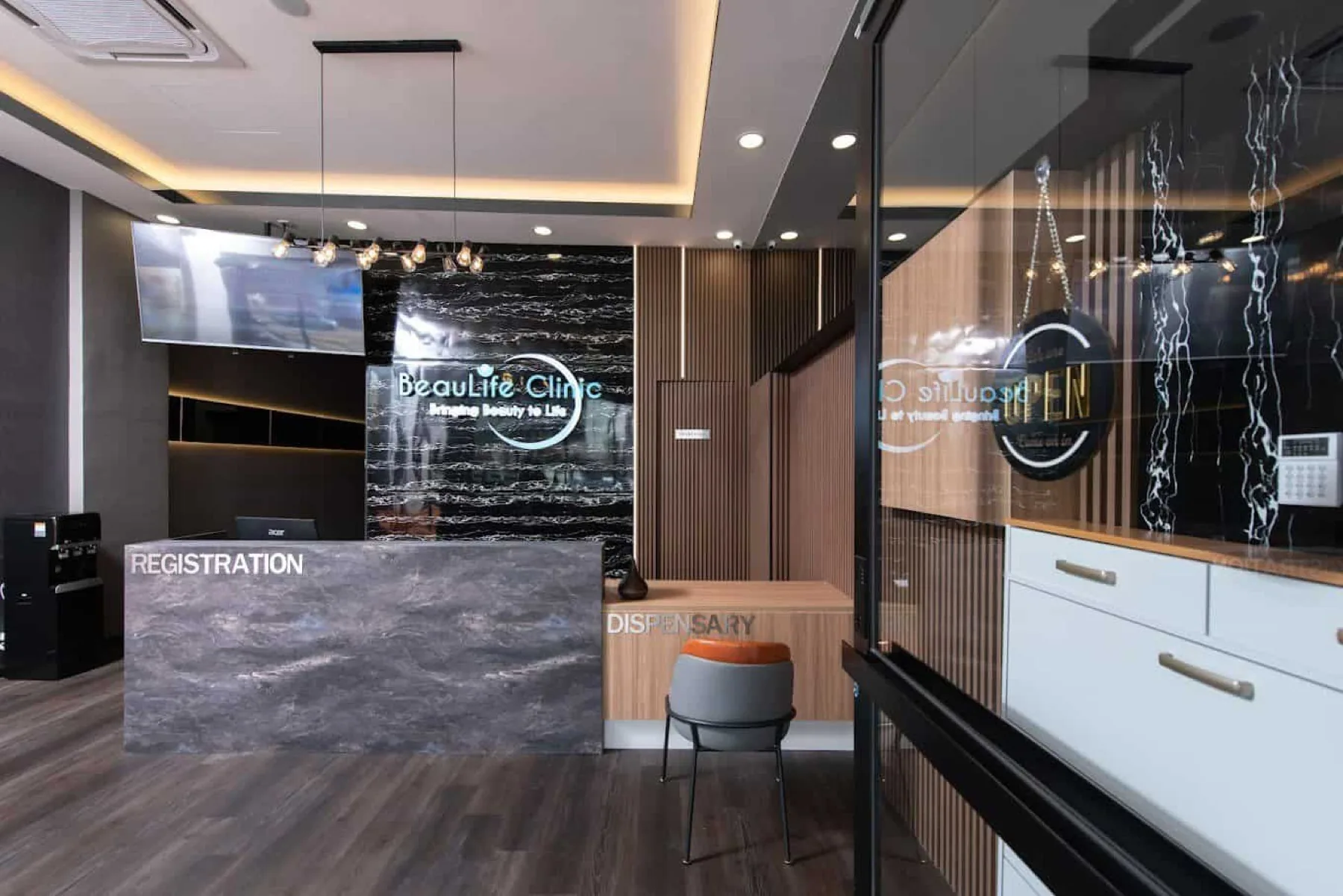
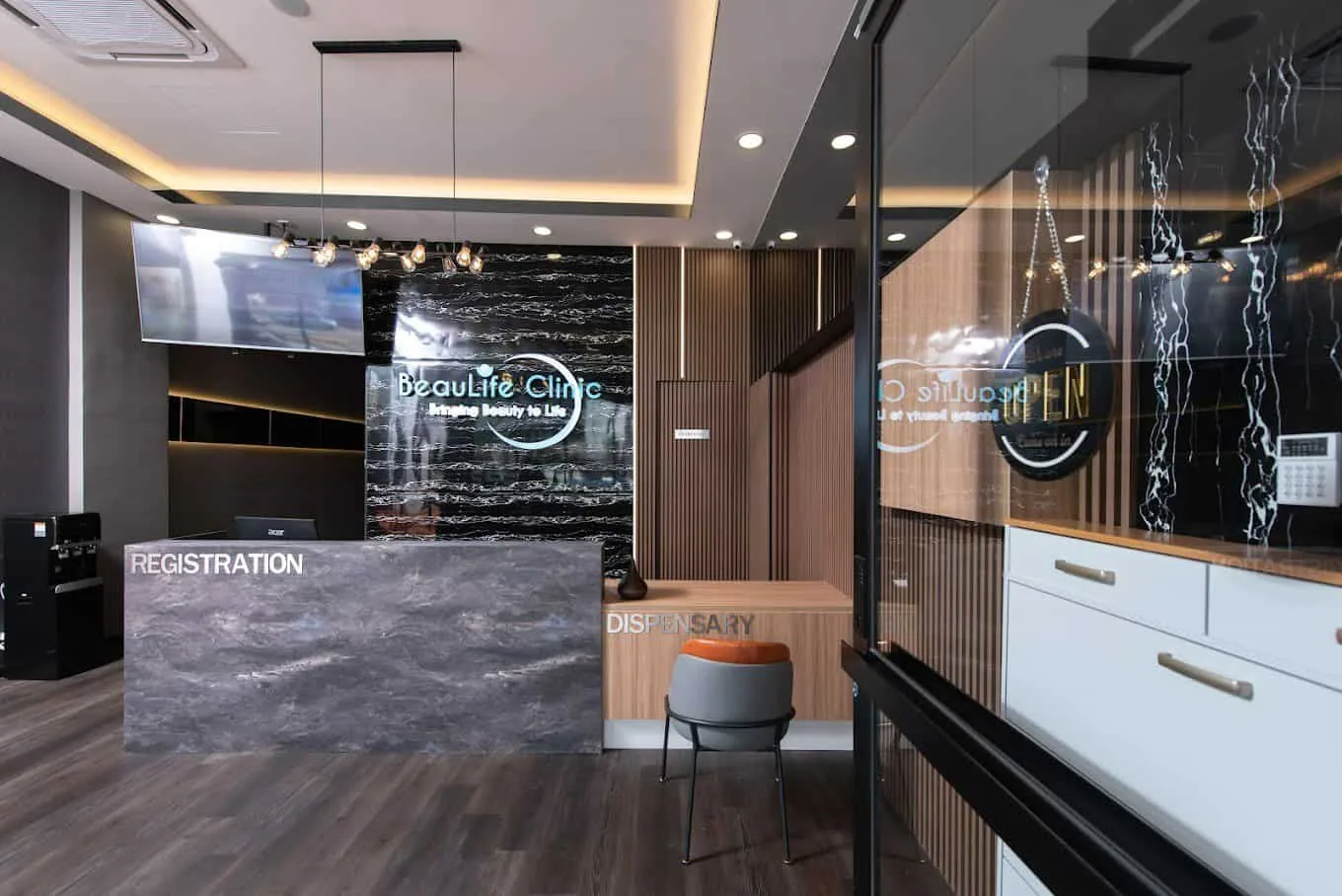
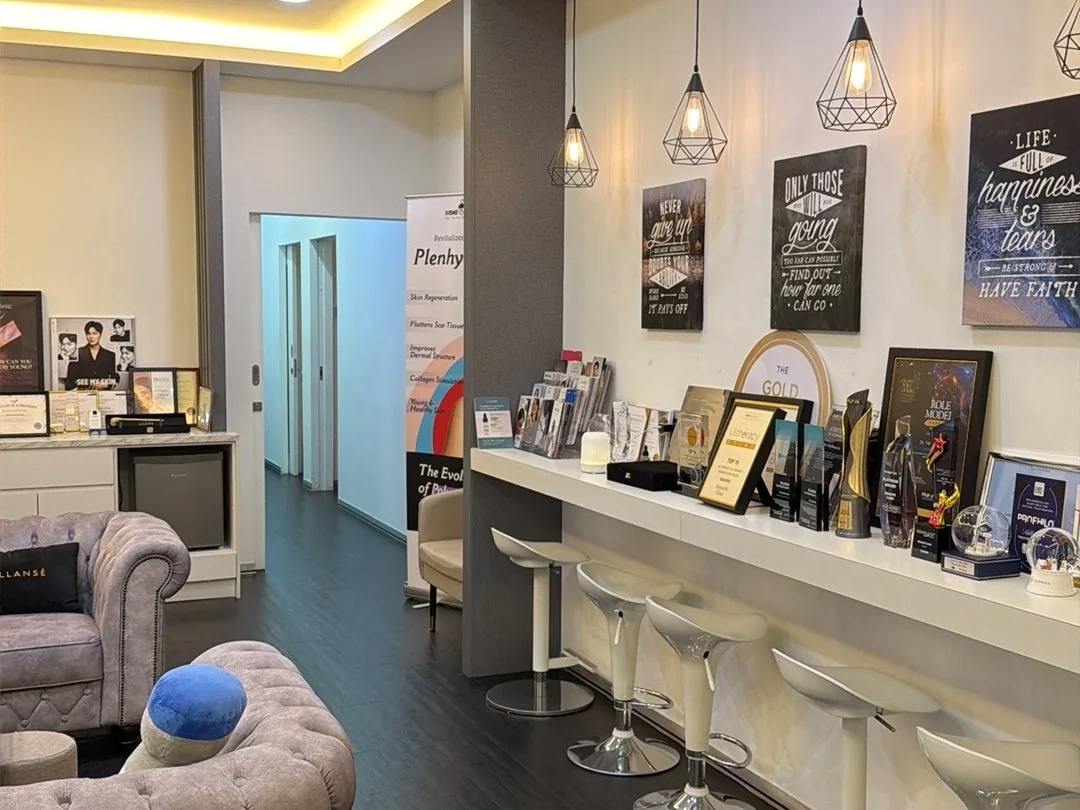
This guide is written by BeauLife Clinic, an MOH-registered aesthetic clinic (KKLIU 1970/2019) with LCP-certified doctors, operating since 2017 at five Klang Valley branches: Bukit Jalil, Cheras, Puchong, Subang Jaya and Ampang. It covers which facial steps to skip and the gentle clinic options that work below the surface.
Want a calming step after a treatment?
Our ASCE Exosome page explains how exosomes are applied after a device session to settle redness and support the barrier.
See how ASCE Exosome calms red skinTo start, dermatologists from the American Academy of Dermatology share seven everyday habits that help rosacea-prone skin.
7 rosacea skin care tips from dermatologists
1. Is there a best facial for redness & rosacea?
Quick Answer: Not one that suits everyone. The best facial for redness & rosacea is the one that avoids your triggers and treats your cause. For most red, reactive skin that means skipping heat, scrubs and peels, and choosing gentle, doctor-planned options that repair the barrier and calm the small blood vessels behind the flush.
Most online lists rank spa facials. They rarely ask the question that decides the result: what is making your skin red?
- Rosacea is a long-term inflammatory condition. Vessels in the central face over-react to heat, sun and stress.
- Sensitive skin has a weak barrier that stings with products, even without rosacea.
- Red acne marks are healing spots where small vessels stay dilated for weeks.
- Irritation from harsh actives or over-exfoliation can turn any skin red.
A facial that helps one of these can worsen another. So our doctors assess first, then pick the treatment. Our Sylfirm X redness treatment page explains why rosacea, melasma and sensitive skin each need a different setting.
2. What kind of facial redness do you have?
Quick Answer: Facial redness usually falls into one of five patterns: rosacea flushing, rosacea bumps, sensitive skin, red acne marks or irritation from products. Each has a typical sign and a different first step. In darker skin, rosacea may look brown or violet rather than pink.
| Type of redness | Typical sign | Common triggers | First step | Options a doctor may consider |
|---|---|---|---|---|
| Rosacea | ||||
| Flushing type | Flush that lingers on cheeks and nose; fine visible vessels | Sun, heat, stress, alcohol, spicy food | Diagnosis and medical care | Sylfirm X (pulsed wave), ASCE Exosome |
| Bumps type | Acne-like red bumps that acne care does not clear | Same triggers; harsh acne products | Settle bumps with prescribed treatment first | Device only once calm |
| Not rosacea | ||||
| Sensitive skin | Stinging, tightness, patchy redness after products | Over-cleansing, acids, fragrance, heat | Gentle barrier routine | RE2O, Plenhyage, Rejuran, Profhilo |
| Red acne marks | Flat red spots where pimples healed | Picking, sun | Treat any active acne | Sylfirm X; pigment care if marks turn brown |
| Irritation | Redness and peeling after a new product or peel | Retinoids, acids, scrubs | Pause actives; patch-test | Usually none until healed |
Source: BeauLife Clinic, Redness & Sensitive Skin concern page and treatment pages, with signs from the American Academy of Dermatology, compiled November 2026. A guide, not a diagnosis. Licence.
Three things in the table are easy to miss:
- Rosacea needs medical care. Prescribed creams or tablets settle a flare; aesthetic treatments help the redness that remains.
- Colour can mislead. The AAD notes that in darker skin, rosacea can show as a dusky brown patch.
- Red marks often turn brown. If yours have, our guide to hyperpigmentation treatment explains what fades dark patches.
3. Which facial steps make rosacea worse?
Quick Answer: Heat and friction are the main problems. The National Rosacea Society advises against facial steaming, hot towels, hot wax, peels and coarse scrubs, and against products with alcohol, menthol, peppermint, eucalyptus, witch hazel or certain fragrances. Lukewarm cleansing and a plain mask are usually fine.
| Facial step | Flare risk | Why |
|---|---|---|
| Heat | ||
| Facial steaming | High: skip | Heat widens blood vessels and sets off flushing |
| Hot towels or hot wax | High: skip | Same heat effect, held against the skin |
| Friction and acids | ||
| Scrubs, brushes, microdermabrasion | High: skip | Rubbing and exfoliation irritate reactive skin |
| Peels with glycolic or lactic acid | High: skip | Both acids are on the AAD list to avoid |
| Manual extraction | Caution | Squeezing adds pressure and inflammation |
| Products | ||
| Toners and astringents | High: skip | Often contain alcohol or witch hazel |
| Cooling mints and scented masks | Caution | Menthol, peppermint and fragrance can sting |
| Usually gentle | ||
| Fingertip cleanse, lukewarm rinse | Usually gentle | Recommended by both groups |
| Plain moisturising mask, no fragrance | Usually gentle | Supports the barrier |
| Mineral sunscreen to finish | Usually gentle | Sun is the most common trigger |
Source: National Rosacea Society spa tips, NRS cleansing guide and AAD rosacea skin care tips, compiled by BeauLife Clinic, November 2026. Individual triggers vary. Licence.
A “deep-cleansing” facial scores badly on most steps. If you still enjoy salon facials, the NRS suggests telling the therapist about your rosacea, asking for the ingredient list and continuing any prescribed medicine. Skip any session during a flare. A gentle clinic option such as our RE2O skin booster works inside the skin, so the surface is not scrubbed or steamed at all.
4. Why does Malaysian weather make redness worse?
Quick Answer: Three of the most common rosacea triggers are part of daily life in the Klang Valley. In a National Rosacea Society survey of 1,066 patients, sun exposure affected 81%, hot weather 75% and humidity 44%. Add hot drinks and spicy food, and flares are easy to set off.
| Trigger | Share affected (bar, scale 0 to 100%) | How it shows up in the Klang Valley |
|---|---|---|
| Sun exposure | 81% | Strong all year |
| Emotional stress | 79% | — |
| Hot weather | 75% | Most days |
| Heavy exercise | 56% | Outdoor runs in the heat |
| Alcohol | 52% | — |
| Cold weather | 46% | Strong air-conditioning |
| Spicy foods | 45% | Sambal, curry, chilli |
| Humidity | 44% | High most of the year |
| Certain skin-care products | 41% | — |
| Hot drinks | 36% | Hot teh tarik, kopi, soup |
Source: National Rosacea Society triggers survey (1,066 patients). Klang Valley column: BeauLife Clinic notes, November 2026. Red bars = triggers affecting 70% or more. Licence.
You cannot change the weather, but you can blunt it:
- Sunscreen every morning. Mineral filters (zinc oxide, titanium dioxide) tend to sting less.
- Let hot drinks cool. The heat is usually the trigger.
- Keep a trigger diary. The NRS suggests noting what you did before each flare.
Heat also keeps melasma active, which is why our Sylfirm X pulsed-wave treatment uses the same low-heat setting for both.
Not sure whether it is rosacea or sensitive skin?
A BeauLife doctor can check your redness, ask about your triggers and explain whether a device, a booster or medical care should come first.
See how a redness assessment is done5. Which gentle clinic treatments help red, sensitive skin?
Quick Answer: At BeauLife, the doctor-led options for redness are Sylfirm X in pulsed-wave mode, ASCE Exosome applied after a device, and four skin boosters: RE2O, Plenhyage, Rejuran and Profhilo. They work under the surface, with no steaming or scrubbing, and results build over a course.
| Treatment | What it does | Sessions | Downtime | Results seen | Typical price |
|---|---|---|---|---|---|
| Sylfirm X RF microneedling, pulsed wave | Targets small vessels behind redness with little surface heat | 3 to 5 | 1 to 2 days of redness | 4 to 8 weeks | RM 1,800 to 3,500 per full-face session |
| ASCE Exosome Exosomes, no living cells | Calms skin and supports the barrier after a device | Often with each device session | Minimal | Supports recovery | From about RM 600 per session |
| RE2O Skin booster | Hydrates and settles a sensitive barrier | 3 | Minimal | 2 to 4 weeks | Quoted after assessment |
| Plenhyage Polynucleotide booster | Strengthens fragile skin, supports even tone | 3 | Small bumps for a day | 3 to 4 weeks | Three sessions from about RM 2,800 |
| Rejuran Polynucleotide booster | Supports barrier repair and texture | 3 | Small bumps for a day | 3 to 4 weeks | RM 1,200 to 2,500 per session |
| Profhilo Hyaluronic acid booster | Deep hydration and mild firming | 2 | Small bumps for hours | 4 weeks | RM 2,000 to 4,500 per 2 ml |
Source: BeauLife Clinic Redness & Sensitive Skin concern page and treatment pages (typical Klang Valley prices), November 2026. Sessions and downtime are a general guide; your doctor confirms what applies and gives the exact quote after a consultation. Licence.
How the options fit together:
- Device for the vessels. Sylfirm X’s pulsed wave reaches the vessels behind flushing with little surface heat.
- Exosome for recovery. Our ASCE Exosome skin rejuvenation step follows the device, when skin can take it in.
- Boosters for the barrier. Skin that stings with everything often starts with a booster course. See our Plenhyage skin booster page.
Three cautions. These treatments do not cure rosacea. Vascular lasers and IPL carry more risk in darker skin, as a 2024 review on skin of colour notes, so settings matter. And device treatments must be done by a registered doctor at a licensed clinic, with devices regulated by the Medical Device Authority. Our guide to choosing a safe aesthetic clinic in Malaysia shows how to check.
6. Do clinic treatments for redness and rosacea actually work?
Quick Answer: Evidence is promising but early. A 2026 review of 25 rosacea trials found RF microneedling eased redness more than pulsed dye laser. Combined treatment cut the erythema index by 54% in one study. Exosome and booster data for redness are much smaller.
| Study and design | Patients | Reported redness change (bar, scale 0 to 100%) | What to keep in mind |
|---|---|---|---|
| RF microneedling | |||
| Nguyen 2026, network meta-analysis | 25 trials | Beat pulsed dye laser for redness and satisfaction (no single %) | Most trials at unclear or high risk of bias |
| Kwon 2020, combined plan | 25 | Erythema index down 54%; bumps down 71% | Also used laser and low-dose isotretinoin |
| Xu 2026, one session | 20 | Redness clearly lower at 3 months (no single %) | Flushing-type rosacea; partly industry-funded |
| Exosomes | |||
| Ye 2022, sensitive skin | 22 | Redness, burning and itch scores improved by day 28 | Different exosome product; maker-linked authors |
| Lee 2025, case report | 1 | Erythema down 42% at 5.5 months | One person |
| Polynucleotide boosters | |||
| Rho 2026, expert panel | Panel | Barrier repair in rosacea and eczema suggested | Opinion, not a trial |
| For comparison | |||
| AAD summary of laser studies | Several small studies | About 20% less redness for most patients | Settings varied |
Source: the peer-reviewed papers and AAD page linked in each row, compiled by BeauLife Clinic, November 2026. Studies measured redness in different ways, so read rows separately, not as a ranking. Licence.
What this means for you:
- Expect improvement, not clearance. Redness eases over a course and can return with heat.
- Combined plans did better. The strongest result paired a device with medical treatment.
- Rare reactions happen. One case report described rosacea starting after RF microneedling, so a doctor stops if skin reacts.
Our Rejuran skin booster page lists the studies behind polynucleotides.
7. How do you plan a gentle treatment course for rosacea-prone skin?
Quick Answer: Start with a diagnosis, calm the skin barrier at home, then add one gentle clinic treatment at a time. Settle any active flare with medical care first. Keep sun care and trigger control going, since rosacea can return.
Five steps, in this order:
- Get a diagnosis. Have a doctor confirm the type of redness and start any medical treatment a flare needs.
- Calm the barrier at home first. Use a gentle cleanser, a plain moisturiser and sunscreen for a few weeks; pause acids, scrubs and toners.
- Find your triggers. Keep a short diary of sun, heat, food, drinks and products before each flare.
- Start a gentle course. Sylfirm X pulsed wave with ASCE Exosome for vessel redness, or a booster course for a fragile barrier.
- Review and maintain. Judge the result 4 to 8 weeks after the last session; keep up sun care, with maintenance only if redness returns.
Treating a flaring face with a device is like painting a wet wall: the result will not hold. For skin that feels tight and dull as well as red, a Profhilo hydration booster is sometimes added once redness settles.
Ready to plan a course that will not set off a flare?
Our doctors build redness plans one step at a time, starting with what your barrier can handle, and explain each cost before you begin.
See how a booster course is planned8. The short version
If you came looking for the best facial for redness & rosacea, the answer is a plan rather than a product. Skip steam, scrubs, peels and fragranced products. Get the cause of your redness checked, calm the barrier, then add gentle options such as Sylfirm X pulsed wave, ASCE Exosome or a skin booster, with sun care every day. The BeauLife Clinic homepage lists all our treatments and five branches.
9. Frequently Asked Questions
1. What is the best facial for redness & rosacea?
There is no single one. For red, reactive skin, the most suitable option avoids heat, scrubs and peels and treats the cause. People search for the best facial for redness & rosacea, but the right choice depends on the cause. In a clinic, it may be Sylfirm X pulsed wave with ASCE Exosome, or a skin booster course, after a doctor’s assessment.
2. Can I get a facial if I have rosacea?
Yes, if it is gentle and your skin is not flaring. Tell the therapist about your rosacea, ask for the ingredient list, and skip steaming, hot towels, peels and scrubs. Keep using any prescribed medicine.
3. Is HydraFacial or an oxygen facial good for rosacea?
They can feel soothing for some people, but many such facials use suction or exfoliation, which can irritate reactive skin. At BeauLife, OxyGeneo is not one of the treatments our doctors list for redness. A doctor can advise what suits your skin.
4. How much does redness treatment cost in the Klang Valley?
At BeauLife, Sylfirm X typically costs RM 1,800 to 3,500 per full-face session, ASCE Exosome starts from about RM 600 per session and Rejuran typically costs RM 1,200 to 2,500 per session. Most plans need a course. Your exact quote follows a consultation.
Want a calm plan for your redness?
WhatsApp us on +6016-251 7687. A BeauLife doctor will check the cause of your redness, explain the gentle options and give the full price before anything starts. We open 10am–7pm on weekdays and 10am–5pm on weekends.
Book a redness consultation