If you are searching for the best pimples treatment, the honest answer is that it depends on the kind of pimples you have and how many. A few whiteheads need a different plan from painful red lumps along the jaw. Most people can start at home with two or three proven ingredients, and only some need a doctor.
Malaysia has its own rulebook for this. The Ministry of Health’s Clinical Practice Guidelines on the Management of Acne Vulgaris (Second Edition) sets out which treatments to use at each level of acne, and which popular remedies lack evidence. This guide turns it into plain steps.
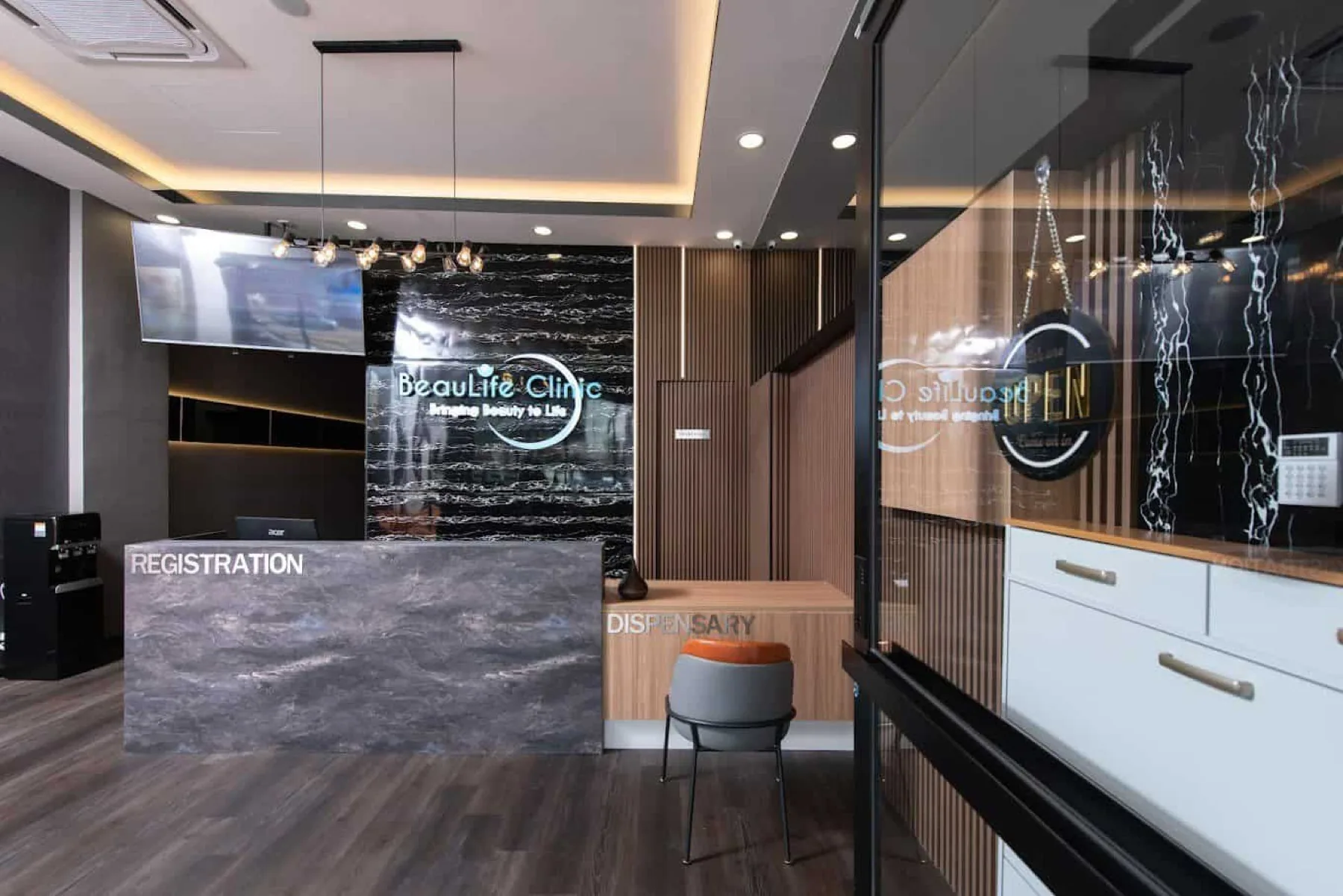
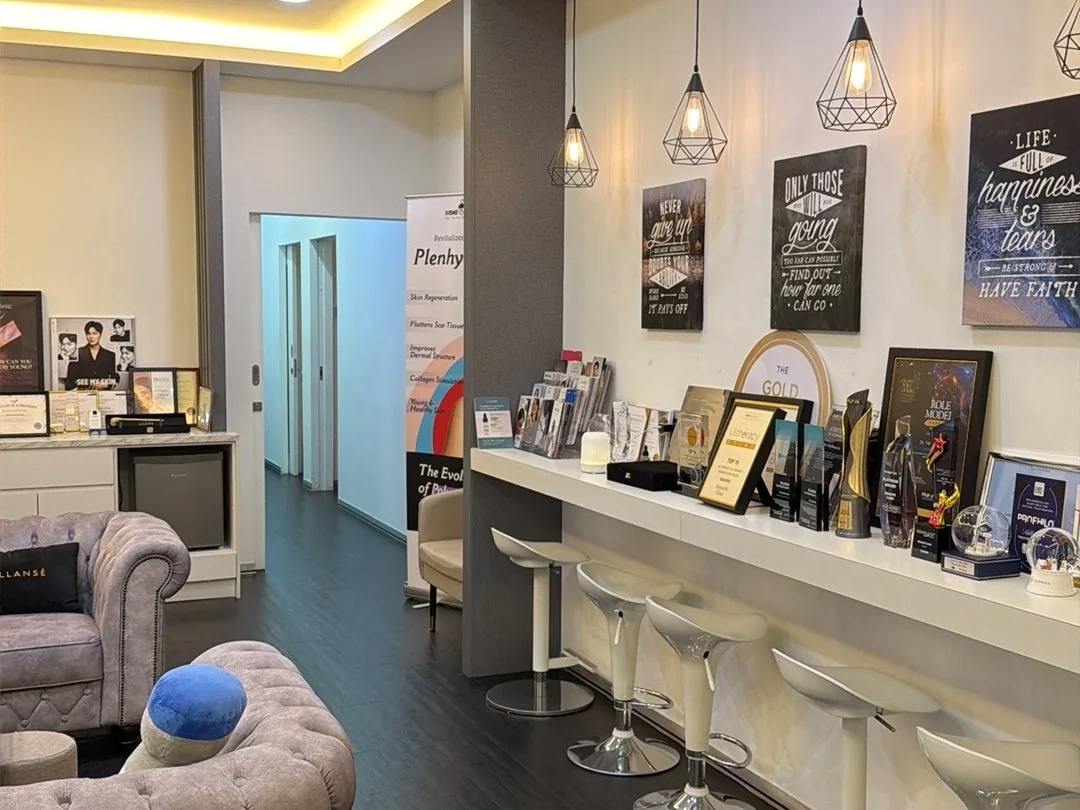
It is written by BeauLife Clinic, an MOH-registered aesthetic clinic (KKLIU 1970/2019) operating since 2017, with LCP-certified doctors at five Klang Valley branches.
Mild breakouts and dull, oily skin?
Our OxyGeneo page explains the 3-in-1 facial that exfoliates, infuses a serum and suits oily skin with mild acne.
See how the OxyGeneo facial helps oily, acne-prone skinFirst, the American Academy of Dermatology shares six habits that help acne treatment work at home.
6 at-home acne tips from dermatologists
1. Is there one best pimples treatment for everyone?
Quick Answer: No. The right treatment depends on the type of pimple and how severe the acne is. Blackheads and whiteheads respond to retinoids such as adapalene. Red, pus-filled spots respond to benzoyl peroxide. Deep, painful lumps or cysts need a doctor, because they scar easily and creams alone rarely clear them.
Doctors start by naming the spot, because each type has a different cause:
- Blackheads and whiteheads. Pores blocked by oil and dead skin. On the nose they are often confused with oil filaments; our guide on how to reduce pores on the nose explains the difference.
- Red spots and pustules. Blocked pores that have become inflamed, sometimes with a white or yellow tip.
- Nodules and cysts. Deep, sore lumps under the skin that last for weeks and often leave scars.
The guideline also grades acne as mild, moderate or severe, which is why a friend’s favourite cream may do little for you.
2. What does Malaysia’s acne guideline recommend at each level?
Quick Answer: Malaysia’s MOH acne guideline starts mild acne on one topical product: a retinoid for blackheads and whiteheads, or benzoyl peroxide for red spots. Moderate acne uses two topical products together. Severe acne adds an oral antibiotic. If there is no improvement after 3 months at any level, treatment moves up a step.
| Acne level | What it usually looks like | Guideline first step | No better after 3 months |
|---|---|---|---|
| Mild acne | |||
| Mostly blackheads and whiteheads | Blocked pores, little redness | Topical retinoid (tretinoin or adapalene) | Combine two topical products |
| Mostly red spots | A few inflamed spots and pustules | Topical benzoyl peroxide | Combine two topical products |
| Moderate acne | |||
| Many spots across the face | Mixed blocked pores and inflamed spots | Any two topical products: benzoyl peroxide (preferred), retinoid, topical antibiotic, azelaic acid or salicylic acid | Add an oral antibiotic |
| Severe acne | |||
| Widespread or deep spots | Nodules, cysts, scarring | Two topical products plus an oral antibiotic (doxycycline, tetracycline or erythromycin) | Referral to a dermatologist for oral isotretinoin |
| Once acne is controlled | |||
| Maintenance | Clear or nearly clear skin | Keep a topical retinoid or benzoyl peroxide | Review with your doctor |
Source: Ministry of Health Malaysia, Management of Acne Vulgaris CPG (Second Edition), treatment algorithm, summarised by BeauLife Clinic, November 2026. Green = can usually start at home or with a pharmacist, amber = often guided by a doctor, red = doctor-prescribed. Retinoids are avoided in pregnancy. Licence.
Two points in the guideline are easy to miss:
- Antibiotic creams never go alone. The guideline says topical antibiotics should not be used on their own, to avoid bacterial resistance; they are paired with benzoyl peroxide or a retinoid.
- Maintenance is part of the plan. Acne tends to come back, so a retinoid or benzoyl peroxide continues after the skin clears.
3. Which home remedies for pimples actually work?
Quick Answer: Twice-daily washing with a gentle cleanser, benzoyl peroxide and a salicylic acid cleanser all have trial support. Tea tree oil showed some benefit in low-quality trials but can dry and itch. Malaysia’s guideline found no strong evidence for bedak sejuk, turmeric or cinnamon, and once-daily washing was linked to more spots.
| Home approach | What the studies found | Evidence |
|---|---|---|
| Washing and cleansers | ||
| Wash twice a day with a gentle cleanser | Twice daily reduced blackheads and whiteheads at 6 weeks; once daily was linked to more spots | Good |
| Gentle synthetic cleanser instead of bar soap | Synthetic cleansers reduced red spots; true soaps increased them | Good |
| 2% salicylic acid cleanser | Fewer spots by week 2 in a small crossover trial | Moderate |
| Leave-on products | ||
| Benzoyl peroxide 5% leave-on | Reduced acne counts compared with a plain base at 12 weeks | Good |
| Tea tree oil | Fewer spots than placebo in small, low-quality trials; can itch and dry the skin | Weak |
| Traditional remedies | ||
| Bedak sejuk (rice powder), turmeric, cinnamon | No retrievable strong evidence that they treat acne | None found |
| Herbal medicine, acupuncture, wet cupping | Cochrane review of 35 low-quality trials: no supporting evidence | None found |
Source: Ministry of Health Malaysia acne CPG (Second Edition), sections 8 and 9, compiled by BeauLife Clinic, November 2026. Green = good evidence, amber = limited evidence, red = no strong evidence. Licence.
What this means for your bathroom shelf:
- Be careful with traditional pastes. Bedak sejuk may feel soothing, but it is not an acne treatment.
- Sensitive or flushing skin? Strong actives can sting skin that reddens easily. Our guide to facials for redness and rosacea covers gentler options, since rosacea is often mistaken for acne.
4. How do you use benzoyl peroxide or adapalene at home?
Quick Answer: Apply a thin layer to the whole acne-prone area once a day after a gentle wash, not just on single spots. Start every other night if your skin is sensitive, moisturise and use sunscreen. Expect mild dryness in the first weeks. Avoid retinoids such as adapalene if you are pregnant or planning a pregnancy.
A five-step routine most people can follow:
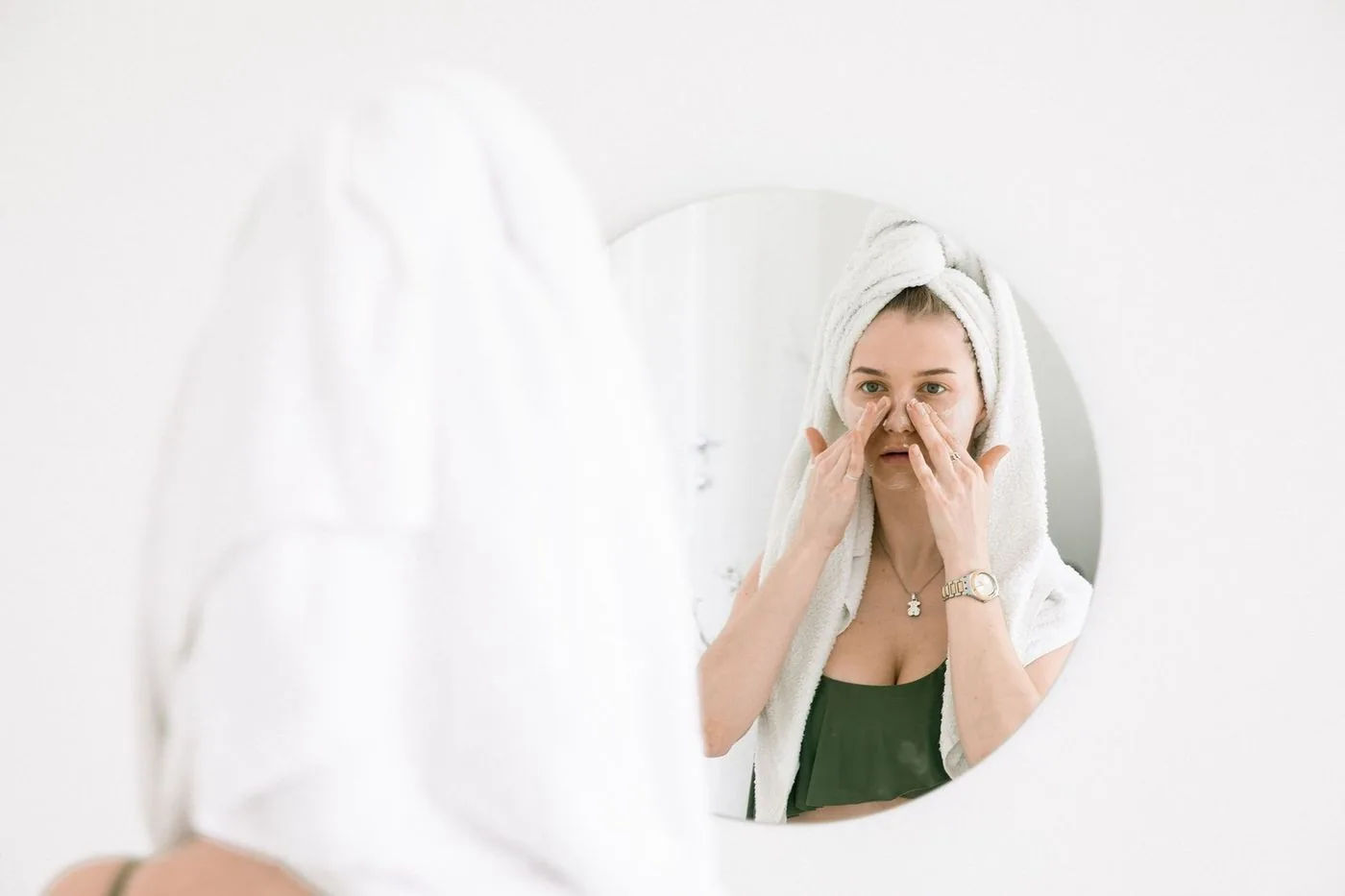
- Cleanse twice a day. Use a gentle, non-soap cleanser in the morning and at night, and pat the skin dry.
- Apply one active product. Use benzoyl peroxide for red spots or a retinoid such as adapalene for blackheads and whiteheads, in a thin layer over the whole area, not just on spots.
- Start slowly. Use the active product every other night for the first two weeks if your skin feels dry or stings, then build up.
- Moisturise and protect. Finish with a light, non-comedogenic moisturiser and wear sunscreen in the day, because retinoids make skin more sun-sensitive.
- Leave spots alone and review. Avoid picking or squeezing, and judge results after 6 to 12 weeks rather than after a few days.
Two practical notes: benzoyl peroxide bleaches fabric, so use white pillowcases; and pairing a retinoid with a strong acid can over-dry the skin, so ask a pharmacist or doctor before combining.
The American Academy of Dermatology’s acne tips add that picking and popping spots raises the risk of scars and dark marks.
5. How long does pimples treatment take to work?
Quick Answer: Expect some change in 2 to 8 weeks and a fair test at 12 weeks. A salicylic acid cleanser reduced spots by week 2 in one trial, washing changes helped by week 6, and most creams and peels were judged at 12 weeks. Malaysia’s guideline moves treatment up a step if there is no improvement after 3 months.
| Treatment | About week 2 | Weeks 6 to 8 | Week 12 | After 3 months |
|---|---|---|---|---|
| Home care | ||||
| 2% salicylic acid cleanser | Fewer spots | Not reported | Not reported | Not reported |
| Twice-daily gentle washing | Early days | Fewer blackheads and whiteheads at 6 weeks | Not reported | Keep going |
| Retinoid or benzoyl peroxide | Dryness possible; few visible changes | Breakouts start to drop | Trials show clear benefit | Step up if no better |
| Doctor-prescribed | ||||
| Oral antibiotic with two topicals | Started | Response checked | Usual course 3 to 4 months | Switch to topical maintenance |
| Clinic add-ons | ||||
| 30% salicylic acid peel every 2 weeks | First sessions | Mid-course | Blackheads and whiteheads down 73.4% | Maintenance as advised |
| Machine facial series every 2 weeks | First session | Mid-course | Clear or almost clear: 65%, up from 20% | Not reported |
Source: Ministry of Health Malaysia acne CPG (Second Edition) for cleanser, washing, peel and antibiotic timings; American Academy of Dermatology for the 6 to 8 weeks before breakouts drop; Storgard et al. 2022, J Clin Aesthet Dermatol for the facial series (20 adults, open-label, one author employed by the device maker). Compiled by BeauLife Clinic, November 2026. Results vary between people. Licence.
How to read the timeline:
- The first fortnight is about tolerance. Early redness and dryness are common, and quitting now is the usual mistake.
- Week 12 is the fair checkpoint. Almost every trial in the guideline measured results at 12 weeks, so judge a product then.
- Three months without change means step up. That is the point to see a doctor rather than try a fourth product.
Pimples gone, but marks left behind?
Dark and red marks after acne often fade faster with a targeted laser once breakouts are under control.
See how PICO laser treats post-acne dark marks6. Which clinic treatments help pimples?
Quick Answer: Malaysia’s guideline lists chemical peels, especially salicylic and glycolic acid, and laser as add-ons to medical acne care, not replacements. It found insufficient evidence for blue light, red light and radiofrequency on their own. Small studies of machine facials and RF microneedling show promising lesion drops but lack control groups.
| Clinic option and study | Reported result (bar, scale 0 to 100%) | Related BeauLife treatment |
|---|---|---|
| Chemical peels (guideline: may be used as an add-on) | ||
| 30% salicylic acid peel 6 sessions, 12 weeks, RCT | Blackheads and whiteheads down 73.4% | Doctor advises |
| 45% mandelic acid peel same trial | Papules down 86.0% | Doctor advises |
| Facials and devices (small or uncontrolled studies) | ||
| Machine facial with extraction and blue LED 6 sessions, 20 adults, open-label | Clear or almost clear: 65% (from 20%) | OxyGeneo facial for mild acne |
| Potenza RF microneedling median 3 sessions, 50 adults, retrospective | Spot count down 48.3% (45 to 18.5) | Potenza doctor decides suitability |
| Fractional microneedle RF vs bipolar RF split-face RCT, day 84 | Mildest acne grade: 90% vs 25% | Doctor advises |
| Light therapy (guideline: insufficient evidence) | ||
| Blue light 14 RCTs, 698 people | No difference from comparison treatments | Not recommended alone |
| Red light 13 RCTs, 422 people | No significant difference in spot counts | Not recommended alone |
Source: Ministry of Health Malaysia acne CPG (Second Edition), section 7, Storgard et al. 2022 and Lee et al. 2026, Aesthetic Surgery Journal Open Forum, compiled by BeauLife Clinic, November 2026. Measures differ between studies. Results vary and are not a promise of outcome. Licence.
Where clinic care fits:
- As an add-on. A facial or device can help, while creams or tablets do the core work.
- For mild acne and upkeep. The OxyGeneo facial exfoliates and infuses a serum, and BeauLife’s OxyGeneo page lists oily skin and mild acne among its uses. Inflamed or cystic acne should settle first. OxyGeneo is quoted after a skin assessment.
- Devices are a doctor’s call. RF microneedling such as Potenza is mainly used at BeauLife for acne scars and pores; whether it suits active spots is decided case by case.
7. When should you see a doctor for pimples?
Quick Answer: See a doctor if spots are deep or painful, leave scars or dark marks, are no better after 3 months of home care, or affect your mood and confidence. Many people never ask: in a 2022 Kuching study, 56% of students with acne had not sought any medical attention for it.
Book an assessment if any of these apply:
- Nodules or cysts. Deep lumps scar easily and need prescription treatment.
- New scars or lasting marks. Every month of uncontrolled acne adds to later scar treatment.
- No change at 3 months. The guideline’s own signal to move up a step.
- Sudden adult acne in women. Especially with irregular periods, which can point to a hormone cause.
- Emotional impact. In the Kuching student study, acne affected quality of life as much as eczema or psoriasis, even when mild.
Our guide to choosing an aesthetic clinic in Malaysia explains how to check a clinic is registered.
8. How do you treat marks and scars after pimples?
Quick Answer: Treat marks and scars only after breakouts are controlled. Flat dark marks often respond to PICO laser, typically RM 600 to 2,000+ per session in the Klang Valley. Redness and enlarged pores suit Sylfirm X, typically RM 1,800 to 3,500. Sunken scars often need RF microneedling such as Potenza, from about RM 3,000 a session.
| What acne left behind | Usual clinic option | Typical Klang Valley price |
|---|---|---|
| Flat brown or dark marks | Discovery PICO laser | RM 600 to 2,000+ per session |
| Lingering redness, enlarged pores | Sylfirm X | RM 1,800 to 3,500 per full-face session |
| Sunken (rolling or boxcar) scars | Potenza RF microneedling | From about RM 3,000 per session |
| Sensitive skin recovering after acne | Repair skin boosters | Quoted after assessment |
Marks often fade over months with daily sunscreen; scars do not. Our guides to the acne scar treatment that suits each scar type and to choosing a skin booster for acne-prone skin go further. The exact quote for any treatment follows a consultation.
9. The short version
There is no single best pimples treatment, but there is a reliable order. Wash twice a day with a gentle cleanser, use one proven product such as benzoyl peroxide or adapalene, and give it 12 weeks. Step up to a doctor for deep, scarring or stubborn acne, and add clinic care such as an OxyGeneo facial only alongside that plan. The BeauLife Clinic homepage lists all our treatments and five Klang Valley branches.
10. Frequently Asked Questions
1. What is the best pimples treatment?
If you are searching for the best pimples treatment, there is no single one. Malaysia’s MOH acne guideline starts mild acne on benzoyl peroxide for red spots or a retinoid such as adapalene for blackheads, moves to two products for moderate acne and adds tablets for severe acne.
2. How can I get rid of pimples fast at home?
Wash twice a day with a gentle cleanser, apply benzoyl peroxide to the whole area and avoid picking. Most treatments need 6 to 12 weeks for a clear result.
3. Does bedak sejuk or turmeric help pimples?
Malaysia’s acne guideline found no strong evidence that bedak sejuk, turmeric or cinnamon treat acne. They may feel soothing, but they should not replace proven treatments such as benzoyl peroxide or a retinoid.
4. When should I see a doctor for pimples?
See a doctor if spots are deep or painful, leave scars or dark marks, or are no better after 3 months of home care. Sudden adult acne with irregular periods may also need a hormone check.
5. Can a facial treat pimples?
A facial can help mild acne and oily skin as an add-on to acne care. Inflamed or cystic acne needs medical treatment first.
Want a doctor’s plan for your breakouts?
WhatsApp us on +6016-251 7687. A BeauLife doctor will look at your spots, marks and current products, then explain your options and the full price before anything starts. We open 10am–7pm on weekdays and 10am–5pm on weekends.
Book a skin consultation